
Kurulus Orhan Episode 2 Review “The Edge of Legacy”: Power, Loyalty, and the Burden of Destiny
The Dawn After the Siege: When Triumph Turns to Trial
After the exhilarating premiere of Kurulus Orhan, Episode 2 raises the stakes in every direction — from the battlefields of Bursa to the stormy emotions within the Kayı tribe. The series, already establishing itself as the next great chapter following Kurulus Osman, finds its voice in exploring the fragile bond between faith, leadership, and destiny.
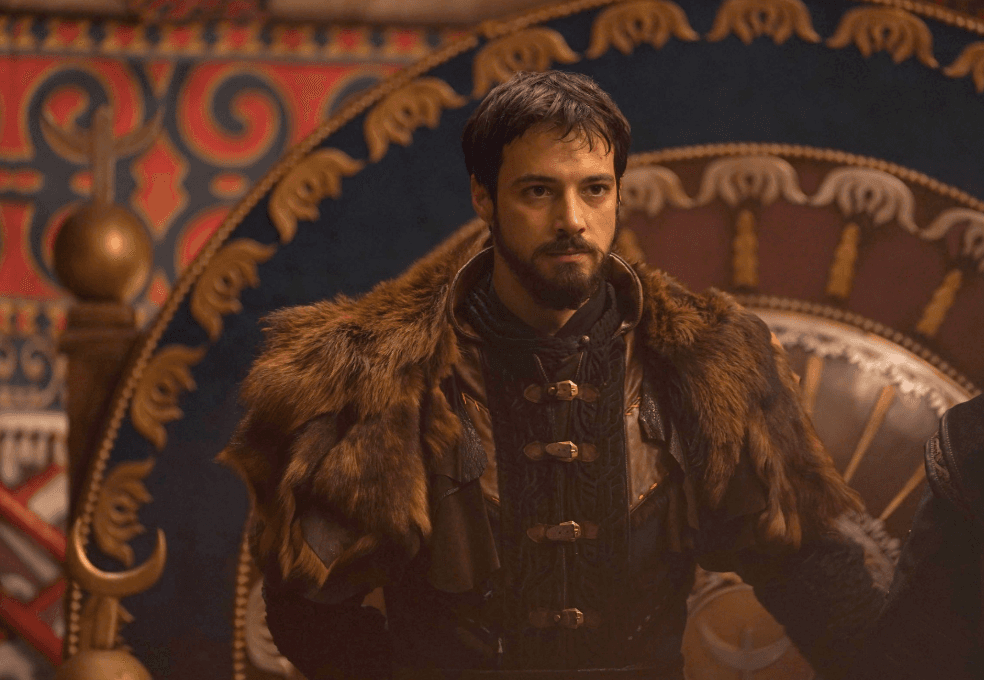
The episode opens in the aftermath of a supposed victory. Orhan Bey, fresh from commanding the siege of Bursa, returns home expecting glory. Instead, he meets his father’s stern disapproval. Osman Bey — the legendary founder whose shadow looms over every stone of the frontier — removes Orhan from command, replacing him with the stern and calculating Sahinsah Bey.
That decision, shocking to both Orhan and the audience, serves as the emotional spine of the episode. When Orhan declares, “Ben Allah'tan gelene de razıyım, uğruna verdiğin kurban olmaya da,” (“I am content with what comes from God, and ready to be sacrificed for what You deem worthy”) — the moment transcends simple dialogue. It becomes a creed of submission and defiance intertwined, a young leader surrendering to fate while quietly preparing to reclaim it.
Fathers, Sons, and the Fire of Faith
If Kuruluş Osman was about founding an empire, Kuruluş Orhan is about inheriting it without breaking it. Episode 2 explores this generational tension with an intensity that rivals Shakespearean tragedy.
Osman Bey’s authority remains unshakable, yet his choices sow seeds of uncertainty. By reassigning command, he tests Orhan’s humility — but also ignites rivalry between Orhan and Alaeddin. This isn’t mere sibling competition; it’s a clash of philosophies. Alaeddin’s quiet piety contrasts sharply with Orhan’s fiery determination. Their evolving relationship hints at a long political arc — one that could redefine the moral compass of the nascent Ottoman world.
The writers deserve credit for crafting dialogue that feels both historical and timeless. The line between divine submission and human ambition is drawn with surgical precision, capturing the essence of leadership in eras ancient and modern alike.
“To lead is to obey the will that breaks you first.”
— (A paraphrase of Osman’s philosophy, echoing in Orhan’s silence)
Women of the Frontier: Power Beyond the Sword
The female characters — Malhun Hatun, Nilüfer Hatun, and Gonca — emerge as crucial pillars in this turbulent power dynamic. Their actions drive the emotional undertone of the story far more than mere subplots.
Malhun Hatun, in particular, delivers one of the episode’s most compelling arcs. Outraged by the council’s (toy’s) decision and her son’s demotion, she embodies the fierce maternal instinct that once characterized early Ottoman matriarchs. Her resistance isn’t just personal; it’s political. Through her, the show examines the silent yet powerful role women played in shaping strategy, alliances, and moral judgment within the tribe.
Meanwhile, Nilüfer Hatun’s defense of Orhan’s honor sparks tension with Gonca, setting the stage for a conflict among the Hatuns — a microcosm of the greater societal struggles at play. Their exchanges reveal how loyalty, pride, and justice intertwine in the political ecosystem of the frontier.
For modern viewers, these storylines resonate as a meditation on gendered leadership, power-sharing, and the emotional cost of ambiton — topics as relevant in today’s boardrooms as they were in 13th-century Anatolia.
The Return to Bursa: Flames of Revenge and Redemption
If the family drama grounds the episode emotionally, the Bursa rescue mission electrifies it with cinematic intensity. Orhan’s resolve to retrieve Boran, “dead or alive,” from enemy hands transforms him into a symbol of persistence — a leader who acts where others deliberate.
The reintroduction of Flavius, the Byzantine antagonist, adds a necessary layer of strategic menace. His thirst for vengeance, sharpened by previous defeats, turns the confrontation into a personal war rather than a mere military engagement. The showdown between Orhan and Flavius, staged in the shadowy ruins of occupied Bursa, is both physical and psychological — an embodiment of East meeting West, destiny facing defiance.
While some Turkish historical dramas rely heavily on spectacle, Kuruluş Orhan Episode 2 masters measured pacing. Director Metin Günay balances battle choreography with intimate pauses — close-up shots that capture Orhan’s trembling conviction or Boran’s silent loyalty. These moments elevate the show beyond action entertainment into historical theater.
The Storm from the East: Enter Temurtaş Noyan
As Orhan faces his internal and external enemies, a new storm brews — the arrival of the İlhanlı (Ilkhanid) governor Temurtaş Noyan. His entrance shifts the balance of power across the frontier, signaling that the Ottoman struggle will soon extend far beyond local skirmishes.
Temurtaş’s alliance with Saroz, and his decision to host Şahinşah and Alaeddin, marks a web of intrigue that will reshape loyalties. Historically, such alliances between Mongol governors and regional Turkish leaders were precarious — and the show reflects that instability masterfully.
By weaving in real geopolitical threads — the tension between the Mongol-Ilkhanid rule and the rising Ottoman principality — the series roots itself firmly in history while delivering a dramatized version fit for a global audience.
For international viewers unfamiliar with this era, it’s worth noting that Temurtaş Noyan was indeed a historical figure — the Mongol-appointed governor of Anatolia, whose actions precipitated both rebellion and reform across Turkish lands. The show’s decision to introduce him now hints at a larger narrative architecture worthy of Game of Thrones-level complexity.
Faith and Fate: The Moral Axis of the Episode
Underneath the steel and blood, Episode 2 pulses with spiritual tension. The quote anchoring the episode — “Ben Allah’tan gelene de razıyım…” — reverberates as both a submission to divine will and a protest against human injustice.
It’s this duality that gives Kuruluş Orhan its philosophical heft. Where many historical dramas glorify conquest, this one interrogates it. Orhan’s faith doesn’t make him passive; it fuels his endurance. His acceptance of God’s decree becomes the very weapon by which he overcomes humiliation.
This spiritual realism — depicting faith not as perfection but as struggle — positions Kuruluş Orhan among the most thematically ambitious Turkish productions to date.
Cinematic Craft and Production Quality
From a production standpoint, Kuruluş Orhan Episode 2 achieves international-grade craftsmanship.
The cinematography captures Anatolia’s rugged beauty — misty dawns, torchlit fortresses, and the earthy tones of tribal life — with an authenticity that rivals Vikings: Valhalla or Marco Polo.
Composer Alpay Göltekin’s music continues to blend Ottoman motifs with epic orchestral layers, reinforcing emotional depth without overwhelming the narrative. Costume design remains meticulous, combining historical accuracy with visual flair appealing to modern audiences.
If the first episode announced the show’s ambition, the second proves its staying power.
Analytical Take: The Business of Legacy and Global Impact
From an industry perspective, Kuruluş Orhan marks a pivotal moment for Turkish television exports.
After Diriliş: Ertuğrul and Kuruluş Osman established TRT and ATV as international heavyweights, Kuruluş Orhan enters a saturated yet expanding global market for historical faith-driven dramas.
With streaming giants like Netflix and Shahid investing heavily in regional content, this series could become a flagship product for Turkish cultural diplomacy. The combination of religious philosophy, statecraft, and personal drama positions it as both entertainment and soft power export.
The show’s success will likely influence future co-productions and syndication deals across South Asia, the Middle East, and Europe — a business impact as strategic as the battles it depicts.
Why It Resonates Globally
Why does Kuruluş Orhan connect with audiences far beyond Turkey? Because at its heart, Episode 2 tells a universal story: the pain of being judged by one’s father, the courage to stand firm in faith, and the will to protect what is rightfully earned.
Whether you’re in Jakarta, Johannesburg, or London, Orhan’s struggle speaks to anyone who has ever been underestimated, betrayed, or forced to choose between honor and obedience.
This is the genius of Turkish historical drama: it turns cultural specificity into global empathy.
Final Verdict: A Battle Worth Watching
Rating: (5/5)
Episode 2 of Kuruluş Orhan isn’t just television; it’s a meditation on leadership under divine gaze. The writing is disciplined, the performances grounded, and the cinematography stirring. It sets a new benchmark for Turkish historical storytelling — one that balances spectacle with soul.
As Orhan Bey rises from humiliation toward destiny, Kuruluş Orhan promises not just another saga of empire — but an exploration of what it truly means to inherit faith, blood, and burden alike.
Source: ATV, Hurriyet news, Variety Global Magzine, Dizitrack
About Author
Rashida Yasmeen
An international media analyst specializing in Turkish and global television trends. With expertise in drama storytelling, audience engagement, and cross-cultural media, she provides in-depth analysis and fresh perspectives on the evolving entertainment landscape for readers worldwide.