
Aynadaki Yabancı Episode 6 Recap & Review — Truth Unmasked, Love Torn Apart
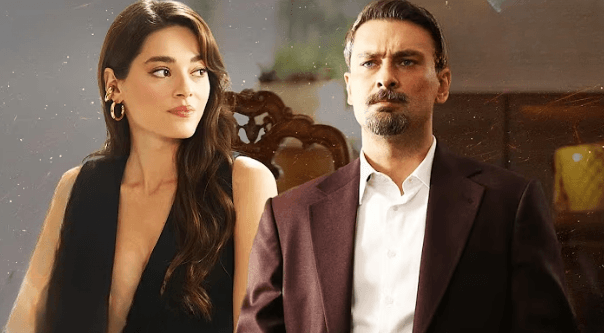
A House of Secrets Finally Trembles
After five episodes of steadily building tension, Aynadaki Yabancı (The Stranger in the Mirror) Episode 6 arrives like the quiet moment before an earthquake. For weeks, viewers have watched Defne (formerly Azra) walk a knife’s edge — living in the same house where her past self was destroyed, her new face both a shield and a prison.
This week, that precarious balance finally collapses. Emirhan (Onur Tuna) discovers the unthinkable truth: the woman he believes to be Defne is, in fact, Azra, the very person whose disappearance reshaped the Karaaslan household. What follows is a study in suppressed fury and unraveling guilt — one that sets the tone for the show’s next chapter.
Emirhan’s Revelation: From Suspicion to Shock
Director Ece Erdek Koçoğlu orchestrates the reveal with remarkable restraint. There is no melodramatic confrontation, no explosive outburst — just a slow, suffocating awareness dawning across Emirhan’s face. His realization that Defne’s face is borrowed, her identity a lie, hits like a delayed fuse: quiet, precise, and devastating.
But what Aynadaki Yabancı does best is showing why Emirhan’s reaction matters. He isn’t merely betrayed — he’s haunted. This woman, who has walked his halls and spoken in Azra’s voice, forces him to confront what he buried long ago. The power dynamic shifts subtly; for the first time, the manipulator becomes the observed.
Defne’s Blind Routine — Unaware of the Trap
Meanwhile, Defne (Simay Barlas) continues her duties in the Karaaslan home, unaware that the truth she’s fought to hide is already exposed. Her calm professionalism masks the exhaustion of a woman constantly at war with her past.
Barlas, in what might be her strongest performance yet, delivers a portrait of quiet desperation — each glance carrying the weight of a secret ready to implode.
Her scenes are underscored by Koçoğlu’s minimalist framing — mirrors, blurred reflections, and narrow corridors emphasize Defne’s suffocating double life. The result is almost Hitchcockian in tone: beauty and dread interlocked.
Barış Torn Between Logic and Instinct
The emotional core of this episode belongs to Barış (Caner Topçu), the surgeon who gave Azra her new face — and perhaps, unwillingly, her new fate. His relationship with Defne has fractured, the tenderness of their earlier episodes replaced by suspicion and longing.
Barış senses danger circling Defne, though he cannot yet name its source. His intuition clashes with reason — a conflict mirrored in the show’s recurring motif of mirrors and masks. One part of him feels betrayed, another feels bound to protect her, even if it means crossing ethical and emotional lines.
It’s in Barış’s storyline that Aynadaki Yabancı most effectively transcends melodrama, becoming a psychological study of obsession and guilt. Topçu’s restrained acting gives the show its emotional realism, grounding the more sensational plot turns.
Melda and Serhan — Survival Beyond the Gate
Parallel to the main arc, Melda (Nazlı Senem Ünal) and Serhan (Kerem Arslanoğlu) face a harsh new beginning after being expelled from the Karaaslan estate. Stripped of privilege and purpose, Serhan must now assert control in a world that no longer bends to his family’s will.
The writing gives their subplot a sharp realism — a mirror to the central theme of reinvention under duress. Their exile becomes both punishment and rebirth. Whether Serhan can stand against Emirhan in the coming episodes remains uncertain, but Episode 6 hints that he may yet emerge as a wild card.
Mihri’s Investigation and Davut’s Ghost
Davut’s death still casts a long shadow. In a quietly unnerving sequence, Mihri (Cemre Melis Çınar) begins connecting clues that lead alarmingly close to home. Her suspicion that Davut’s killer might be someone within the household transforms her subplot from background intrigue into a slow-burning thriller of its own.
The show deftly layers these mysteries, never allowing one thread to dominate — a storytelling balance that reflects Su Korur’s screenplay craftsmanship, where every revelation deepens another’s consequence.
Nehir’s Calculated Move
Then there’s Nehir (Ecem Sena Bayır) — often underestimated, now poised to make her most strategic play yet. With Barış vulnerable and emotionally torn, Nehir seizes the opportunity to move closer, blurring the line between concern and manipulation.
Her motives, still ambiguous, inject a necessary unpredictability into the narrative. Aynadaki Yabancı thrives on moral grayness; no one is fully villain, no one entirely victim. Nehir’s rise adds another layer to the show’s tapestry of deceit and longing.
Thematic Analysis: Faces, Truth, and the Mirror Motif
By Episode 6, the series has evolved from a melodramatic thriller into something far more introspective. The recurring image of the mirror — once a symbol of vanity and disguise — now becomes a metaphor for self-confrontation.
Azra/Defne’s journey represents the impossibility of true escape: you can change your face, but never your reflection. Emirhan’s awakening mirrors the audience’s own realization — that every character is, in some way, trapped in a distorted reflection of themselves.
Koçoğlu’s direction amplifies this with cold lighting and deliberate pacing. Each frame feels calculated, reinforcing the idea that truth, when finally revealed, can destroy as completely as any physical weapon.
Performances That Carry the Weight
- Simay Barlas (Defne/Azra): delivers a nuanced, almost painful realism. Her performance thrives in silence — the way her expression tightens when she senses suspicion, or softens when her daughter’s memory flickers through.
- Onur Tuna (Emirhan): balances menace with vulnerability. His subtle gestures — a half-smile, a lingering stare — make his character unpredictable yet strangely human.
- Caner Topçu (Barış): acts as the moral compass in a story where morality itself is unstable. His chemistry with Barlas remains one of the show’s strongest assets.
The ensemble, including Nazlı Senem Ünal, Kerem Arslanoğlu, Cemre Melis Çınar, and Ecem Sena Bayır, grounds the series’ more operatic moments in lived-in emotional truth.
Visual and Directorial Choices
Cinematographer Yalçın Avcı uses reflective surfaces — glass, polished furniture, even puddles — to emphasize the theme of dual identity. Each episode feels more visually disciplined than the last. Episode 6, in particular, stands out for its muted color palette and long takes, which echo Defne’s internal claustrophobia.
The sound design is equally deliberate: muffled heartbeats, echoing footsteps, and the faint hum of electricity build a subtle unease. Together, they make Aynadaki Yabancı not just a story about deception, but a sensory experience of living a lie.
Narrative Turning Point: “The Beginning of the End”
The sixth episode is a narrative hinge — the moment when knowledge replaces suspicion. From here, the stakes shift dramatically. Emirhan’s silence becomes more dangerous than confrontation; Defne’s survival depends not only on hiding but on outsmarting.
Barış’s role as protector or accomplice will define the coming episodes. Meanwhile, Serhan’s and Mihri’s parallel arcs promise to collide with the main story, creating a multi-layered conflict that challenges loyalty, identity, and moral survival.
As the series moves toward its midpoint, one question looms larger than any other:
Can love survive when built on the ashes of lies — or does every truth demand a sacrifice?
Verdict: A Series That Finally Finds Its Pulse
After a somewhat uneven start, Aynadaki Yabancı reaches emotional clarity in Episode 6. It’s not just another domestic thriller anymore; it’s a meditation on guilt, reinvention, and the cost of survival.
The script’s pacing tightens, performances deepen, and direction gains confidence. There’s still melodrama — this is Turkish primetime, after all — but it’s anchored in emotional logic rather than convenience.
For viewers craving a balance of mystery and humanity, this episode marks the point where Aynadaki Yabancı steps beyond its genre and earns its place among the year’s most compelling Turkish dramas.
Final Thoughts
Aynadaki Yabancı Episode 6 is where faces fall and truths bite back. With Emirhan’s revelation, Barış’s growing conflict, and Defne’s desperate composure, the show transforms from a suspenseful melodrama into a full-fledged character tragedy.
If the series maintains this psychological sharpness, it could very well redefine what Turkish TV drama looks like on the international stage.
Source: ATV, IMDB, Dizitrack, Variety Global Magzine
Image Gallery


About Author
Rashida Yasmeen
An international media analyst specializing in Turkish and global television trends. With expertise in drama storytelling, audience engagement, and cross-cultural media, she provides in-depth analysis and fresh perspectives on the evolving entertainment landscape for readers worldwide.