
Vlad the Impaler and Sultan Mehmed II: History, Legends, and the Real Dracula
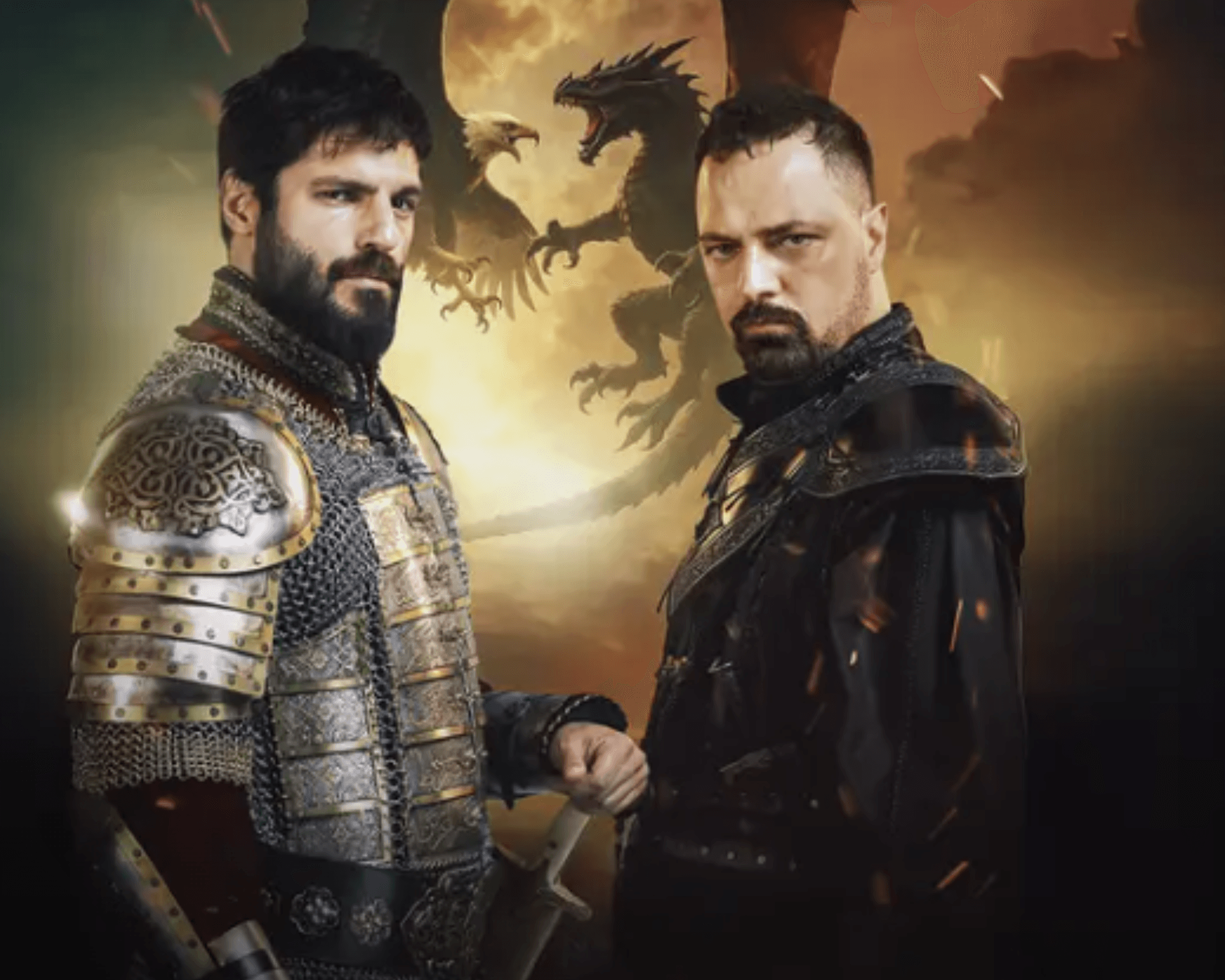
Vlad the Impaler and Sultan Mehmed II: History, Legends, and the Real Dracula
When we hear the name Dracula, most people immediately think of vampires. But the story begins with a real historical figure: Vlad III of Wallachia, also known as Vlad the Impaler. His life and battles are not only fascinating in themselves but also connect directly to one of the most powerful rulers of the 15th century: Sultan Mehmed II, famously known as Mehmed the Conqueror.
Who Was Vlad the Impaler?
Vlad III, born in 1431 in what is now Romania, was a prince of Wallachia, a small principality strategically located between the Ottoman Empire and Europe. Known for his brutal tactics against enemies and traitors, Vlad earned the nickname “Țepeș” (the Impaler) because of his preferred method of punishing opponents.
The nickname Dracula comes from his father, Vlad II, who was a member of the Order of the Dragon. In Romanian, “Dracul” means “dragon” (or sometimes “devil”), so Vlad III was literally “Drăculea,” or the son of the dragon. Over time, this name became the foundation for the legendary vampire stories we know today.
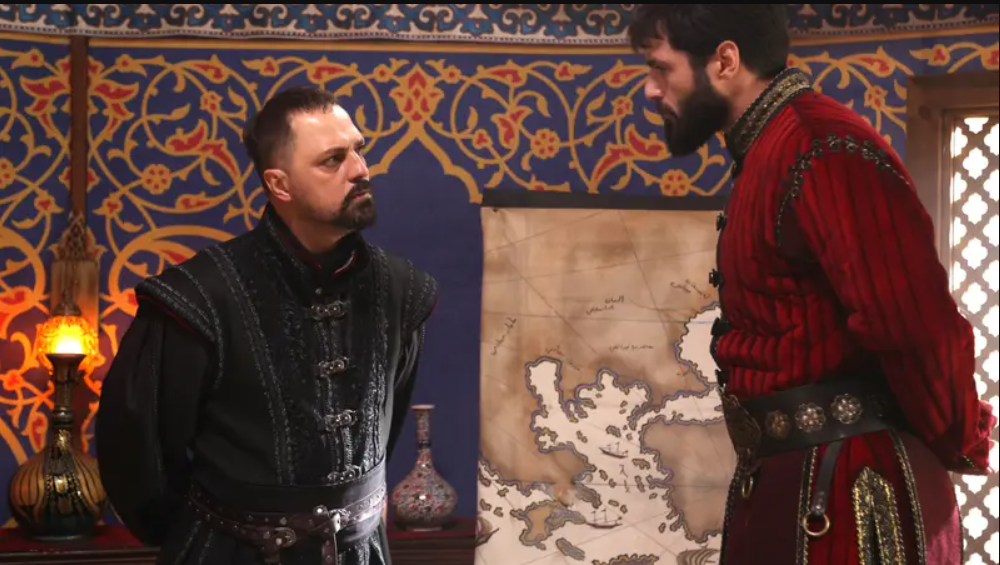
Vlad and Mehmed II: From Hostage to Adversary
As a child, Vlad and his younger brother Radu were sent as hostages to the Ottoman court to secure their father’s loyalty. During this time, Vlad was exposed to the Ottoman way of life but never formed a lasting friendship with Sultan Mehmed II.
Once he became the ruler of Wallachia, Vlad III became a fierce opponent of Ottoman expansion. His resistance included guerrilla warfare, ambushes, and impaling invading Ottoman soldiers. While he achieved local victories, the larger power struggle clearly favored the Ottomans.
Who Ultimately Won?
While Vlad had notable successes in defending his principality, the long-term victories went to Mehmed II. Sultan Mehmed II successfully captured Constantinople in 1453, establishing the Ottoman Empire as a dominant power in the region. Vlad’s resistance slowed Ottoman control but could not prevent their rise.
Pop Culture and Turkish Drama References
The life of Mehmed II has been dramatized in the popular Turkish series Mehmed the Conqueror (Muhteşem Yüzyıl: Fatih). The show references conflicts with local rulers like Vlad the Impaler, showcasing the political and military challenges the young Sultan faced while consolidating Ottoman power. While the series dramatizes events, it helps viewers understand the real stakes of the 15th-century Ottoman-European frontier.
Why Vlad Became Dracula
Vlad’s brutal reputation, combined with the “Drăculea” nickname, cemented his image as both a terrifying historical figure and the inspiration for Count Dracula. His methods of warfare and governance were extreme even by medieval standards, which explains why legends have transformed him into a figure of fear and fascination worldwide.
Final thought
Vlad the Impaler was never a true ally or brotherly friend of Sultan Mehmed II. From a hostage in his youth to a fierce adversary in adulthood, Vlad’s life was defined by conflict and survival. Ultimately, history favors Mehmed II, whose conquest of Constantinople changed the course of history, while Vlad’s legacy became immortalized in folklore and popular culture.
For viewers of Mehmed the Conqueror, the dramatization of Vlad provides an intriguing glimpse into the clash of ambition, power, and legend that shaped Eastern Europe and the Ottoman Empire.
About Author
Rashida Yasmeen
An international media analyst specializing in Turkish and global television trends. With expertise in drama storytelling, audience engagement, and cross-cultural media, she provides in-depth analysis and fresh perspectives on the evolving entertainment landscape for readers worldwide.