
Uzak Şehir: Loyalty, Love, and Justice Collide in the New Episode’s Emotional Storm
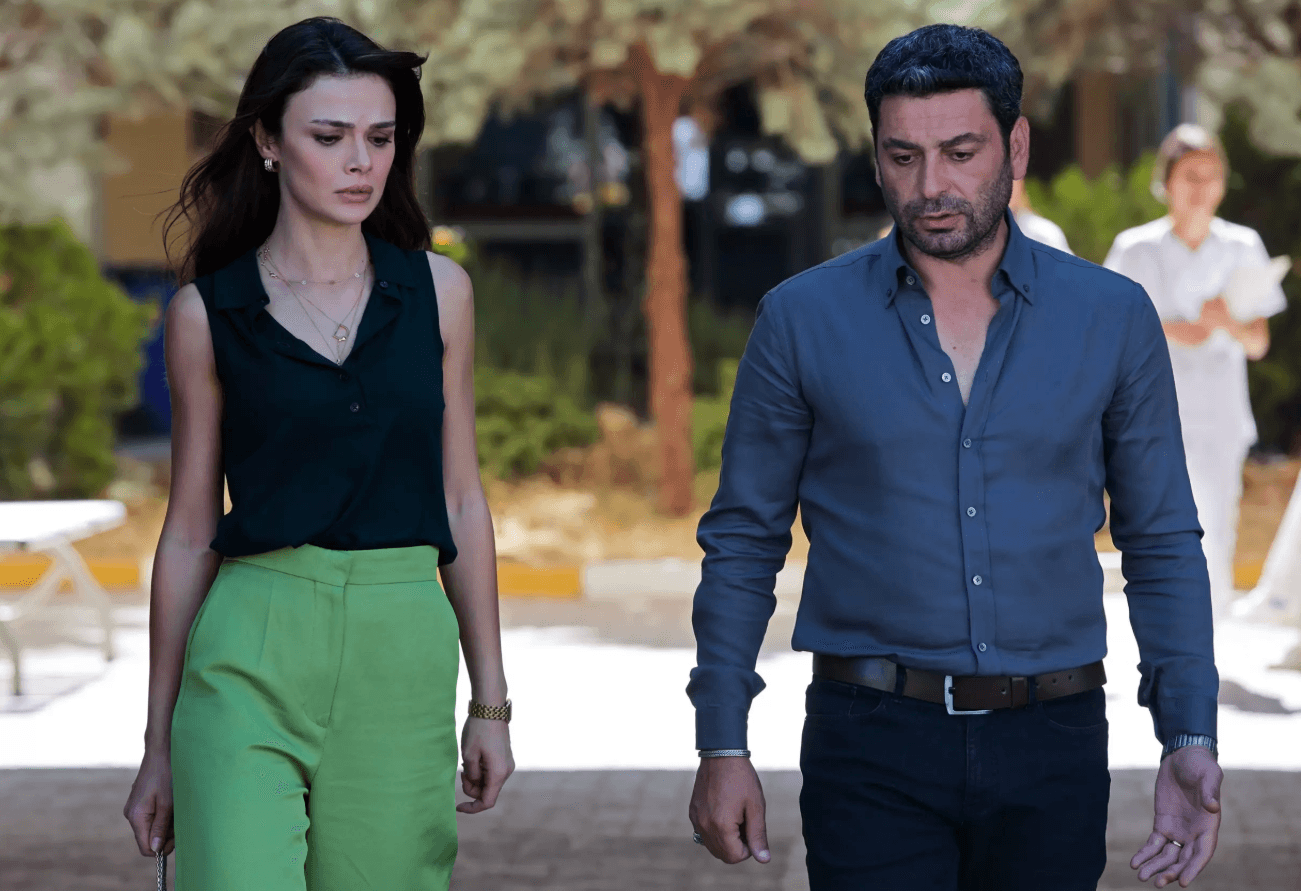
When a City Becomes a Mirror of the Soul
Among Turkish dramas that blend deep emotion with moral complexity, Uzak Şehir has quickly become a standout on Kanal D. Each episode unravels a new layer of human vulnerability—love, betrayal, justice, and mercy—woven into the cultural and emotional fabric of modern Turkey.
This new chapter takes the story to its most intense point yet. With Sadakat’s arrest, Cihan’s rage, and Alya’s unrelenting pursuit of truth, the episode becomes not just a continuation of the story but a reflection of the emotional contradictions that define us all.
Uzak Şehir is more than a TV drama; it’s a social portrait of conscience and consequence.
Sadakat’s Collapse: The Weight of Guilt and the Coldness of Isolation
The irony of Sadakat’s name—meaning “Loyalty”—runs deep through this episode. After committing a crime, she finds herself under arrest, stripped of both dignity and trust. What follows is not only a legal battle but a psychological descent.
Her story raises an ancient question that Turkish storytelling often wrestles with: Is guilt determined by one’s actions or by one’s intentions?
Cihan’s mother’s merciless reaction leaves Sadakat completely isolated, forcing her to face not only justice but rejection. Through her, the series explores how society treats those who fall from grace—especially women.
Alya offers to help her, but only on one condition. That single condition becomes the turning point of Sadakat’s fate. Her answer will not only decide her freedom but also extinguish—or revive—whatever hope she has left.
The writers craft Sadakat’s loneliness with chilling precision. Silence becomes her punishment; hope, her only rebellion.
Cihan’s Explosion: When Anger Becomes a Cry for Justice
Cihan has long been portrayed as a man torn between duty and emotion. But in this episode, his anger finally breaks the surface. Faced with his mother’s cruelty, Cihan reaches a point of no return. His fury is not blind rage—it’s the eruption of years of suppressed resentment.
In Turkish drama, male anger often symbolizes a struggle between pride and morality. Here, Cihan’s outburst feels both deeply human and socially reflective: a man rebelling against inherited coldness, searching for his own definition of justice.
By siding with Alya in her fight for fairness, Cihan makes an ethical choice as much as an emotional one. He stops being a passive observer and becomes an active force for change.
Cihan represents a modern Turkish male archetype—torn between tradition and transformation, strength and compassion. His character growth marks one of the series’ most compelling evolutions.
Alya’s Fight for Justice: Love Versus Morality
Alya remains the moral compass of Uzak Şehir. In every episode, she embodies integrity and compassion, but this time, her resolve is tested like never before.
Her condition for helping Sadakat is not merely a legal deal—it’s a philosophical stance. Alya becomes both savior and judge, deciding whether redemption should come with a price.
This complexity elevates her beyond the typical “heroine” role. Alya’s strength lies not in defiance but in discernment; she fights not just for justice in the courtroom, but for moral balance in a broken world.
Her dynamic with Cihan continues to be the emotional heartbeat of the show. Their relationship transcends romance—it’s a collision of ideals. While Cihan burns with passion, Alya stands for principle. Together, they represent the eternal duality of love and conscience.
Zerrin’s Disappearance: A Mother’s Fear and a City’s Secret
The episode’s mystery intensifies with Zerrin’s continued disappearance. What begins as concern soon grows into dread. Everyone is anxious—but for Ecmel, Zerrin’s mother, the fear is personal and primal.
Her desperation to find her daughter before anyone else exposes both guilt and maternal instinct. Her search becomes an emotional pilgrimage, a plea for forgiveness wrapped in fear.
Meanwhile, Zerrin’s own attempt to reach Şahin turns the entire narrative on its head. The tension peaks when her actions unexpectedly alter the course of events.
Through this subplot, Uzak Şehir expands its moral scope. It is not only about individual guilt but also about societal neglect—the way women’s safety and voices are too often dismissed.
The disappearance becomes more than a mystery; it’s a commentary on silence, truth, and the human cost of indifference.
Kaya’s Trap: The Fate You Walk Into Unaware
Kaya, usually portrayed as rational and composed, becomes the next victim of fate’s cruel irony. As he follows the trail leading to where Zerrin is held, he unwittingly walks into a trap.
This sequence plays out as both a thriller and an allegory. In Uzak Şehir, traps are never just physical—they’re moral. Kaya’s predicament reminds us that no one is immune to manipulation, and that even the wisest can be deceived when the heart overrides reason.
The direction during these scenes is particularly striking—tight camera angles, muted sound, and a palpable sense of suspense elevate the episode to cinematic quality.
Alya and Cihan: When Love Becomes a Trial
The emotional core of the episode lies in the storm between Alya and Cihan. They’ve saved each other, hurt each other, and now must confront what love truly demands.
This time, life itself tests them again. The question “Who will pay the price?” echoes throughout the episode, symbolizing the ultimate cost of love and truth.
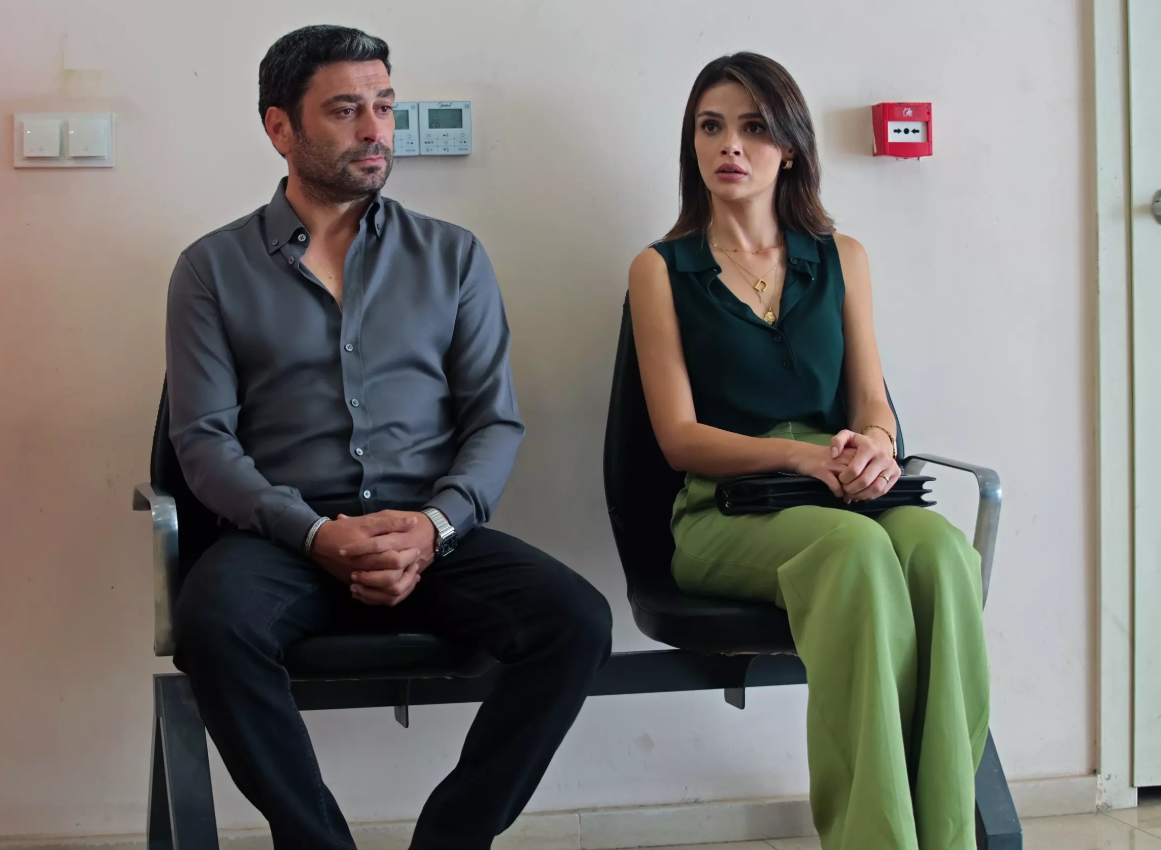
Unlike many TV romances that rely on melodrama, Alya and Cihan’s relationship thrives on moral tension. Their connection feels real because it’s imperfect—driven by conviction rather than fantasy.
Through them, Uzak Şehir redefines romance for modern audiences: love not as escape, but as endurance.
Visual Language and Directorial Craft
The episode’s visual design perfectly mirrors its emotional turbulence. Wide shots emphasize isolation; close-ups trap characters within their guilt. The cool, desaturated color palette reinforces the tone of a city suffocating under its secrets.
The director’s deliberate use of silence—allowing expressions to linger longer than dialogue—gives Uzak Şehir its signature intensity. It’s a storytelling style reminiscent of classic Turkish cinema: poetic, slow-burning, and emotionally precise.
This approach transforms each episode into a cinematic experience rather than routine television. Every frame feels purposeful, every pause meaningful.
Themes and Symbolism
This chapter deepens the show’s central motifs:
- Justice: Alya and Cihan embody two sides of the same moral coin—law versus empathy.
- Mercy: The lack of compassion from Cihan’s mother highlights the emotional cost of pride.
- Loyalty and Betrayal: Sadakat’s name becomes the show’s central irony—when loyalty breaks, truth begins.
- Female Strength: Alya and Ecmel redefine the role of women in Turkish dramas—not as victims, but as moral agents shaping destiny.
Each theme connects deeply to Turkish cultural narratives, yet remains universal enough to resonate with viewers from Europe to Latin America.
Cultural Reflection: Why “Uzak Şehir” Speaks Beyond Borders
For international audiences, Uzak Şehir offers a window into the evolving landscape of Turkish television—where emotional realism meets social commentary.
Unlike formulaic dramas, it portrays justice not as a system but as a feeling, love not as perfection but as persistence. The blend of poetic dialogue, Islamic ethical undertones, and modern psychology makes it profoundly relatable across cultures.
It’s no surprise Turkish series like Uzak Şehir have found global acclaim. They are emotionally raw, visually elegant, and thematically brave—unafraid to show that love and pain often coexist in the same breath.
Conclusion: In Every Heart, There Is a Distant City
As the credits roll, one truth becomes clear: Uzak Şehir is not just about a city or its people—it’s about the hidden corners of every human heart.
Sadakat’s despair, Alya’s courage, Cihan’s fury, Zerrin’s fear—each represents a fragment of us. Every character is both sinner and seeker, broken yet redeemable.
The new episode doesn’t merely advance the plot; it deepens our understanding of love’s cost and justice’s fragility. Because in the end, we all live in our own “distant cities,” searching for light in the fog.
About Author
Rashida Yasmeen
An international media analyst specializing in Turkish and global television trends. With expertise in drama storytelling, audience engagement, and cross-cultural media, she provides in-depth analysis and fresh perspectives on the evolving entertainment landscape for readers worldwide.