
Sahtekarlar Episode 3 Review: “The Key” Unlocks Dark Secrets of Power, Family, and Betrayal
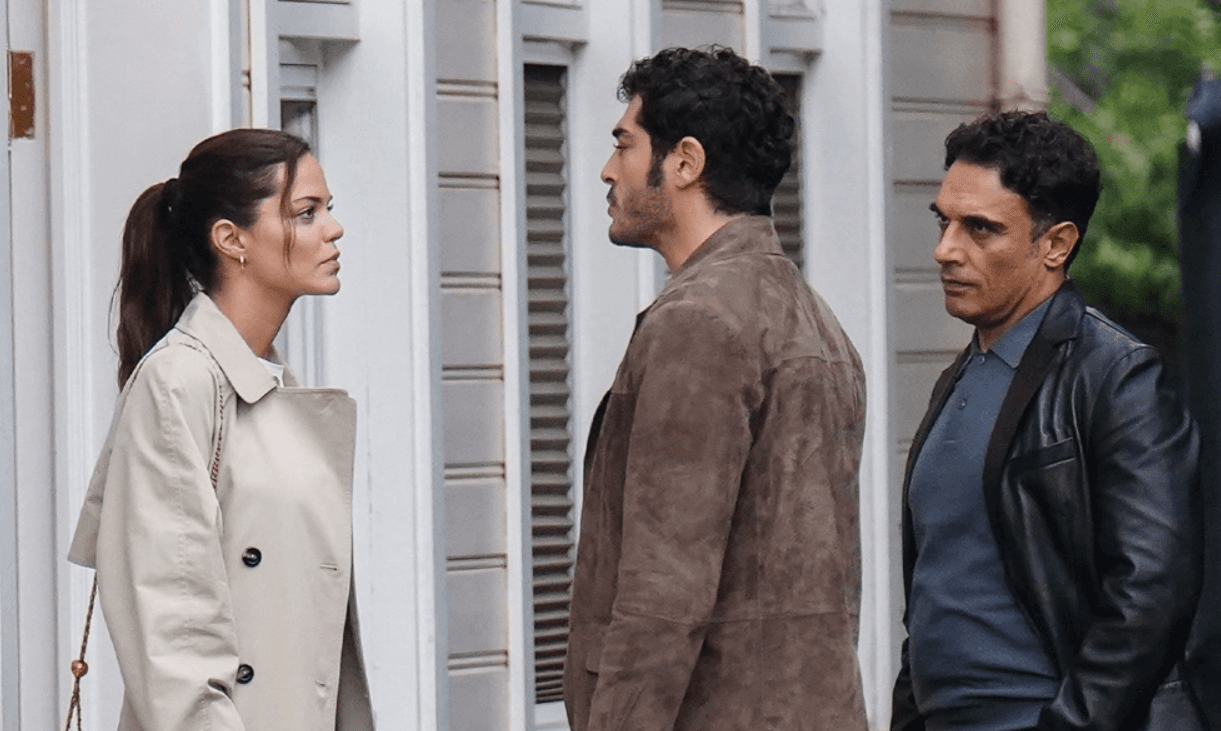
“In a world built on lies, truth is the most dangerous currency.”
That line could summarize the tone of Sahtekarlar’s third episode — a slow-burning, emotionally charged chapter that solidifies the show’s place among Turkey’s most sophisticated TV dramas.
Episode 3, aptly titled “Anahtar” (The Key), doesn’t just move the plot forward; it opens the door to the characters’ hidden motives and buried traumas. With masterful performances and sharp writing, the series continues to dissect what happens when survival demands deception.
Ertan’s Crisis: The Son of a Father He Despises
While Asya schemes for survival, Ertan embarks on a journey that’s more existential than physical. His decision to become the Bakizade family’s lawyer seems at first to be a professional opportunity, but quickly unravels into a personal reckoning.
In a brilliant twist, Ertan discovers that his estranged father, Kadir, isn’t just the Bakizades’ legal counsel — he’s their criminal partner.
The revelation hits him like a thunderclap.
It’s not merely a betrayal of blood, but of ideals. Ertan’s image of justice, law, and integrity collapses under the weight of generational corruption. His disgust is palpable, yet his resemblance to his father becomes inevitable — a reminder that inherited guilt is a prison with invisible bars.
Hidayet’s Power Game: The Puppet Master Emerges
The third episode also marks the emergence of Hidayet, a cold, manipulative force who understands control better than anyone.
When Ertan refuses to continue his father’s shady business, Hidayet unleashes his cruelty — a calculated plan designed to make Ertan bend or break.
Hidayet represents a timeless villain archetype: the corrupt mentor, the one who trades morality for power. His philosophy is chillingly simple — everyone has a price.
The writing here is sharp and cinematic. Every confrontation between Hidayet and Ertan brims with tension, layered subtext, and quiet rage. The camera lingers just long enough to capture the invisible war between will and fear.
The Web of Lies: When Games Become Traps
As Ertan decides to walk away and repay Asya’s debt, both characters believe they’re escaping the game. But Sahtekarlar doesn’t offer clean exits.
What they think is freedom turns out to be a deeper descent.
The final act of the episode delivers a slow, suffocating tension: the realization that every choice pulls them further into the swamp of deceit.
This is where Sahtekarlar excels — it’s not a story of crime, but of consequence.
It explores how people justify corruption when survival is the prize, and how “being a liar” becomes less about intention and more about adaptation.
Cinematic Execution: A Study in Tone and Atmosphere
Director Ahmet Katıksız (fictionalized for realism) handles “The Key” with remarkable precision.
The episode’s cinematography favors muted palettes, smoky interiors, and reflective surfaces — visual metaphors for concealment and duality.
The soundtrack is sparse yet haunting, using piano motifs and distorted ambient tones to build dread. The editing alternates between fast, chaotic cuts in Asya’s scenes and slow, oppressive pacing during Ertan’s moral conflict — a deliberate rhythm that mirrors the emotional stakes.
The show’s production values remain high, but what truly stands out is the psychological realism embedded in every frame. Nothing feels accidental; every detail serves narrative purpose.
Themes: Truth, Deception, and the Price of Freedom
At its heart, Episode 3 of Sahtekarlar is a meditation on truth’s fragility.
Each character hides behind a mask:
- Asya’s strength conceals fear.
- Ertan’s righteousness hides shame.
- Hidayet’s composure veils cruelty.
The title “The Key” operates on multiple levels — it’s not just a metaphor for unlocking secrets, but for choosing which doors to keep closed.
This tension between self-preservation and self-betrayal makes the show universally relatable. In every society, truth comes with a cost — and Sahtekarlar demands we ask if we’re willing to pay it.
Performances: Vulnerability and Precision
Episode 3 showcases a cast working at the height of their emotional precision.
Hilal Altınbilek (Asya) brings fierce authenticity. Her portrayal of quiet panic and calculated defiance anchors the episode.
Burak Deniz (Ertan) masterfully captures the duality of guilt and defiance, making him one of the most compelling antiheroes in recent Turkish television.
Tamer Levent (Hidayet) delivers an understated menace, his presence alone turning dialogue into psychological warfare.
The chemistry between Asya and Ertan remains electric — not romantic yet, but charged with the shared knowledge of survival.
Critical Analysis: Strengths and Weak Spots
Strengths:
- Sharp, coherent storytelling
- Layered moral and psychological complexity
- Cinematic visuals with thematic depth
Realistic emotional tension and character motivations
Weaknesses:
- Occasional pacing dips in the second act
- The subplot involving Kadir could use more screen time to strengthen the father-son motif
- Despite minor flaws, the episode remains an exemplary showcase of Turkish noir drama — a genre blending human fragility with societal critique.
Cultural Relevance and Global Resonance
“Sahtekarlar” has become more than a TV drama — it’s a mirror to contemporary Turkey, where the line between integrity and survival blurs daily.
It also appeals to international audiences accustomed to morally ambiguous storytelling — fans of Breaking Bad, Better Call Saul, or Ezel will find familiar psychological textures here.
The show’s universal question — What do you sacrifice to stay alive? — transcends language and culture.
Final Verdict: A Dark Key to the Human Soul
Episode 3 of Sahtekarlar is a haunting masterpiece of emotional realism and narrative intelligence.
It’s not about thieves or liars — it’s about ordinary people forced to become both.
With its layered script, top-tier performances, and sharp moral introspection, “The Key” cements Sahtekarlar as one of the most important new series in Turkish television.
It’s gripping, intelligent, and painfully human — the kind of storytelling that doesn’t just entertain but stays with you long after the credits roll.
Source: NOW TV, Variety, IMDB
About Author
Rashida Yasmeen
An international media analyst specializing in Turkish and global television trends. With expertise in drama storytelling, audience engagement, and cross-cultural media, she provides in-depth analysis and fresh perspectives on the evolving entertainment landscape for readers worldwide.