
Mehmed: Sultan of Conquests Episode 61 – Complete Summary & Expert Analysis
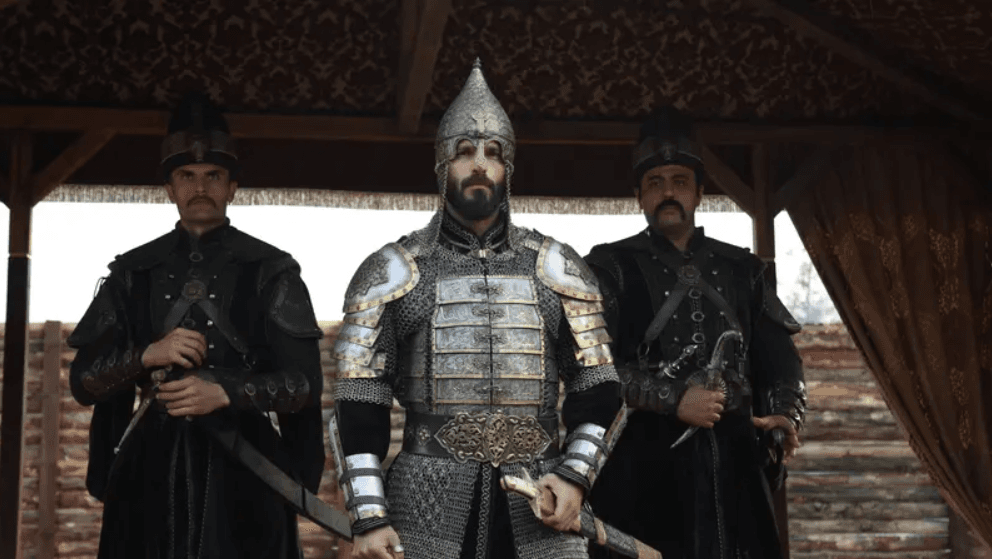
Epic historical dramas thrive when storytelling, character psychology, political intrigue, and military realism blend seamlessly. Mehmed: Fetihler Sultanı (Mehmed: Sultan of Conquests) has built its reputation on exactly this balance, drawing global audiences into the world of Mehmed II — the visionary ruler shaping the fate of empires. Episode 61 stands out as one of the most tension-filled, meticulously crafted installments of the series.
When the Akıncı cavalry breach the collapsed section of the Pontus walls, they walk straight into Draven’s bloody trap. They fight valiantly, but the ambush threatens to wipe them out. When news of this reaches Mehmed, he realizes the disaster wasn’t caused by a military mistake — it was triggered by the actions of a traitor among them. With the intelligence Akıncı Mustafa brings from Pontus, Mehmed’s suspicion sharpens and turns decisively toward Vlad Tepeș. The dark whispers of “Vlaciu” echoing in Vlad’s mind begin to unsettle even Bayezid.
Meanwhile, Yorgo, the megaduke of Pontus, makes a secret pledge to Mehmed:
“Within a day, I will open the gate and hand over the Emperor.”
But Draven senses Yorgo’s intentions and begins to shadow him step by step. Yorgo is violently attacked, and whether he managed to open the gate remains a mystery. When the promised hour arrives, every eye in Mehmed’s camp turns toward the wall gates. There is no sign, no movement — and no word from Yorgo.
Will the gates open, or has Yorgo already been silenced forever?
Amid this uncertainty, Mehmed makes his move. The mighty Şahi cannons unleash fire upon the Notia walls, each thunderous strike ripping stone from stone. Through the breached walls, the Janissaries, sappers, and Akıncı charges pour rapidly into the city.
At that very moment, a vision Eren once received from Ulubatlı Hasan becomes reality. Despite his wounds, Eren climbs the battlements and, under a storm of arrows, raises the three-crescent Ottoman banner. As the flag unfurls in the wind, the city falls silent — the fate of Pontus is sealed.
Yet in the shadows, another agenda takes shape. After his final conversation with Mehmed, Vlad Tepeș slips away into the darkness and whispers:
“Mehmed could not kill the conqueror within himself… So I will do it for him.”
The Anatomy of Betrayal: How Episode 61 Reframes the Enemy Within
Episode 61 dives deeply into one of the series’ strongest recurring themes: betrayal from within. While Ottoman history is filled with external threats, the show cleverly explores how empires often face their greatest danger not at the walls but at their own hearthstones.
Mehmed’s sharp pivot toward suspecting Vlad Tepeș highlights his strategic brilliance. Unlike more conventional commanders who might blame tactical failure, Mehmed interprets the Akıncı massacre as a sign of internal sabotage. This type of reasoning aligns with historical depictions of Mehmed II — calculated, perceptive, and unyieldingly analytical.
The show further enriches this dynamic by portraying Vlad not simply as an antagonist, but as a man haunted by the whispered identity of Vlaciu, a persona rooted in darkness and rage. His unraveling psyche builds compelling dramatic tension, particularly as Bayezid begins to sense something sinister brewing beneath Vlad’s calm exterior.
This balance of psychological depth and political tension is where the episode shines most.
Yorgo’s Secret Deal: A Turning Point Veiled in Uncertainty
The megaduke Yorgo stands at the intersection of fear, desperation, and ambition. His clandestine vow to Mehmed creates one of the episode’s strongest cliffhangers:
- Will the gate open, or was Yorgo eliminated by Draven before he could act?
- This plotline introduces several layers of intrigue:
- Yorgo’s moral ambiguity – he is neither loyal to his emperor nor to Mehmed, but rather to his own survival.
- Draven’s instinctive suspicion – a testament to his ruthlessness and battlefield awareness.
- The visual weight of the absent signal – the entire camp looks toward the fortresses in breathless silence, embodying the suspense of a siege where one man’s decision can rewrite the fate of cities.
This moment captures the heart of siege warfare storytelling: unseen movements behind walls, whispered betrayals, and the ominous stillness before either fall or triumph.
The Şahi Cannons: When Engineering Becomes Warfare’s Loudest Voice
No account of Mehmed II is complete without acknowledging the monumental engineering achievements that shaped his conquests. Episode 61 brings this legend to life by showcasing the Şahi cannons — massive bombard pieces that revolutionized siege tactics.
The show does an exceptional job portraying:
- the seismic impact of each cannon blast
- the psychological shockwaves rippling through defenders
- the combined coordination of artillery, infantry, sappers, and cavalry
As stones tear free from the Notia walls, the sequence becomes both historical homage and cinematic spectacle. The entry of Janissaries through the breach mirrors classical accounts of Mehmed’s strategic precision, reinforcing the show’s dedication to blending history with dramatization.
Eren and the Banner: A Symbolic Echo of Ulubatlı Hasan
One of the episode’s most emotionally resonant arcs involves Eren. His vision of Ulubatlı Hasan — the hero of Constantinople whose banner-raising became an immortal symbol — transforms from dream to destiny as he ascends the battlements under a rain of arrows.
In many historical narratives, symbols carry the power to break armies before swords do. The moment the three-crescent Ottoman flag rises, silence sweeps across Pontus. It is the culmination of fear, awe, and inevitability.
The show’s decision to mirror the legacy of Hasan through Eren strengthens the theme of inherited duty. Each generation has its standard-bearers, and Episode 61 frames Eren as a vessel carrying forward an unbroken legacy of valor.
Vlad’s Whisper in the Darkness: The Birth of a Nemesis
While the battle for Pontus forms the tactical heart of the episode, the emotional core belongs to Vlad Tepeș. His parting whisper —
“Mehmed could not kill the conqueror within himself… I will do it for him.”
— is the most chilling moment of the entire hour.
This line signals:
- a psychological break
- the emergence of a personal vendetta
- the foreshadowing of a future conflict steeped not in politics, but in obsession
Historically, Vlad and Mehmed share a notoriously complex relationship — raised together in the same political furnace, yet destined for lethal enmity. The episode captures this tension with masterful finesse.
Source: TRT1, Britinia, Wikipedia, IMDB, Dizitrack
About Author
Rashida Yasmeen
An international media analyst specializing in Turkish and global television trends. With expertise in drama storytelling, audience engagement, and cross-cultural media, she provides in-depth analysis and fresh perspectives on the evolving entertainment landscape for readers worldwide.