
Mehmed: Fetihler Sultanı – Episode 57 Review: Power, Betrayal, and the Weight of Decisions
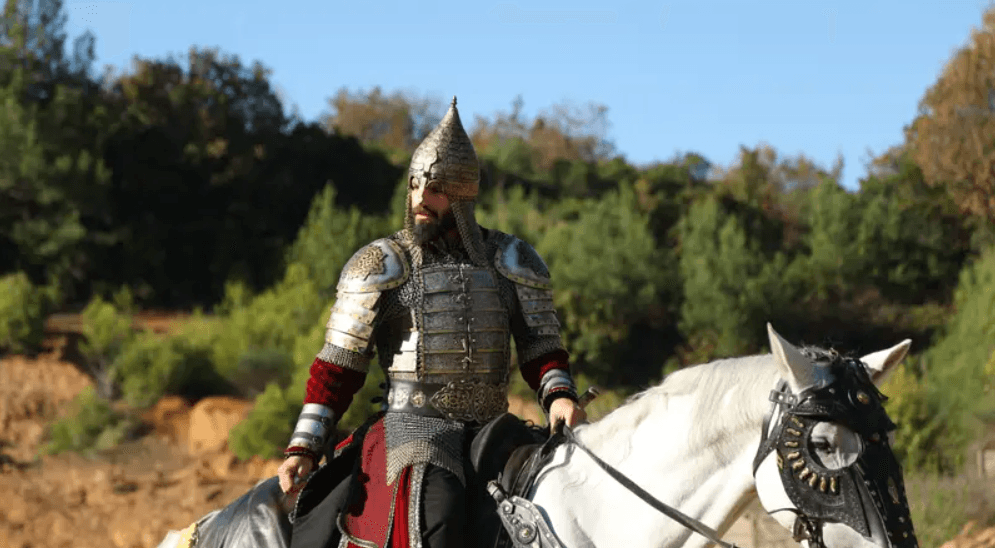
Mehmed: Fetihler Sultanı Episode 57 – Power, Betrayal, and Strategic Silence
The 57th episode of Mehmed: Fetihler Sultanı stands as a testament to the series’ ability to blend history, politics, and human emotion into a seamless narrative. Under the directorial expertise of Selahattin Sancaklı and Yıldıray Yıldırım, the episode delivers suspense, heartbreak, and political strategy in equal measure. With a stellar cast led by Serkan Çayoğlu and Ertan Saban, the episode navigates a web of loyalty, betrayal, and leadership, captivating viewers while maintaining a grounded historical realism.
Political Intrigue and the Shadow of Betrayal
The episode opens with a harrowing attempt on the life of Mahmud Paşa, an event that immediately shifts the focus to the enigmatic Vlad Tepeş. His blood-stained presence and cryptic statements spark suspicion throughout the palace, yet Sultan Mehmed, ever the judicious ruler, releases him due to insufficient evidence. This decision resonates deeply with the theme of calculated restraint that runs throughout the series—highlighting Mehmed’s reliance on logic over impulse.
The narrative tension is amplified by the court’s reaction. The episode portrays a palpable unease among the ranks, reflecting the precarious nature of trust in an empire constantly under threat. The subtle dynamics of suspicion, loyalty, and power serve as a reminder that leadership in Mehmed’s era was as much about perception as action.
For readers interested in the historical context of Vlad Tepeş and Ottoman diplomacy, History Extra provides an in-depth exploration of the complex relationship between Wallachian princes and the Ottoman court.
Personal Sacrifice and the Burden of Leadership
Amidst this political turmoil, the episode introduces a subplot that humanizes the soldiers of the empire. Kurtçu Doğan, the Yeniçeri Ağası, risks his life to save Zeynel, the Orta Ağası, from punishment. This act of courage not only secures Zeynel’s freedom but also reinforces the theme of moral responsibility versus duty—a recurring motif in the series.
Mehmed’s response is telling: he recognizes the virtue of selflessness, but the seeds of doubt planted by Kurtçu’s silent vigilance suggest that no action, however noble, is ever free from suspicion in the volatile world of the Ottoman court. This duality captures the constant balancing act of leadership—where loyalty must be earned and verified, and every decision carries profound consequences.
Vlad Tepeş: From Villain to “Brother-in-Arms”
The narrative arc of Vlad Tepeş reaches a pivotal point in this episode. Returning from Pontus with a significant victory, Vlad presents a rescued prisoner and a sacred relic to Mehmed. This gesture dramatically shifts the Sultan’s perception, elevating Vlad to a status akin to kin.
This plot development is particularly effective in exploring the fluid nature of trust. Vlad, previously shrouded in suspicion, momentarily escapes the shadow of doubt, illustrating the series’ nuanced approach to character development. It also reflects real historical tensions, where allegiances were often provisional and heavily influenced by acts of valor.
For an analytical exploration of Vlad Tepes’ historical exploits versus his depiction in media, History.com provides a comparative study that enriches the viewing experience.
The Moral Compass of Prince Beyazıd
Meanwhile, the series delves into the internal conflicts of Şehzade Beyazıd. His moral struggle, particularly in confronting the assassination plot orchestrated by Kasım Bey, offers a powerful exploration of mercy and conscience in the midst of political expediency. Choosing forgiveness over revenge, Beyazıd embodies the human dimension of leadership, highlighting the series’ commitment to portraying its characters as multifaceted historical figures.
This subplot resonates beyond the palace walls, reminding viewers that personal ethics often intersect with political strategy, shaping decisions that define legacies. It is this blend of personal drama and political intrigue that gives Mehmed: Fetihler Sultanı its narrative depth.
Sultan Mehmed’s Strategic Silence
The episode’s climax underscores the Sultan’s masterful restraint. By keeping the forthcoming campaign against İsfendiyaroğlu under wraps, Mehmed asserts the power of silence as a strategic tool. The decision not only heightens suspense but also reinforces a central theme: leadership is often less about grand declarations and more about the careful orchestration of information.
The introduction of Draven, acting on behalf of Pontus Emperor Komnenos, adds another layer of complexity. The threat of a rear attack on the Ottoman army illustrates the constant tactical challenges faced by Mehmed, further cementing his reputation as a strategic genius capable of anticipating both human and military maneuvers.
Production and Performance Highlights
From a production standpoint, the episode excels in balancing cinematic storytelling with historical authenticity. The directors employ a combination of sweeping battle sequences, intimate palace dialogues, and carefully constructed tension to maintain a narrative rhythm that feels both epic and personal.
The performances are uniformly strong. Serkan Çayoğlu delivers a commanding presence as Sultan Mehmed, conveying authority without sacrificing vulnerability. Ertan Saban as Kurtçu Doğan captures the subtle interplay between duty and doubt, while Gürkan Uygun adds depth to Vlad Tepeş’s morally ambiguous persona. Supporting actors such as Barış Bağcı and Sena Çakır further enrich the tapestry of characters, ensuring that even minor roles contribute meaningfully to the storyline.
Viewer Engagement and Global Appeal
The series’ intricate plotlines and layered characters appeal to both domestic and international audiences. By weaving historically inspired drama with universal themes of loyalty, sacrifice, and ethical dilemmas, the show transcends cultural boundaries. This episode, in particular, provides ample discussion points for viewers, from Vlad’s loyalty shifts to the ethical dilemmas faced by Beyazıd, making it a fertile ground for analytical reviews and fan engagement.
Moreover, the careful attention to historical details—from Ottoman military hierarchy to diplomatic customs—enhances the educational value of the series, offering viewers a lens into a pivotal period of world history. For enthusiasts of historical dramas, resources such as Ancient Origins provide context for the real events and figures depicted.
Conclusion: A Masterclass in Historical Storytelling
Episode 57 of Mehmed: Fetihler Sultanı demonstrates why the series is a standout in the realm of historical television drama. It seamlessly blends political intrigue, personal sacrifice, and strategic foresight, offering a narrative that is both engaging and thought-provoking. The episode reminds viewers that the weight of leadership is measured not only in victories but also in the careful navigation of trust, loyalty, and moral responsibility.
Through stellar performances, meticulous production design, and a script that balances tension with historical accuracy, the series continues to redefine what historical drama can achieve. For viewers seeking both entertainment and an insightful exploration of Ottoman-era politics, this episode is a masterclass in storytelling that resonates long after the credits roll.
Source: TRT1, Wikipedia, IMDB, Dizitrack
About Author
Rashida Yasmeen
An international media analyst specializing in Turkish and global television trends. With expertise in drama storytelling, audience engagement, and cross-cultural media, she provides in-depth analysis and fresh perspectives on the evolving entertainment landscape for readers worldwide.