
Halef: The Call of Roots The Turkish Drama That Captured the Nation’s Heart
Introduction:
In the vibrant world of Turkish television, few series manage to rise above the competition with both critical acclaim and audience love. NOW TV’s hit drama Halef: The Call of Roots has done exactly that — not just captivating viewers with its breathtaking cinematography and soulful storytelling but also dominating the national ratings charts week after week.
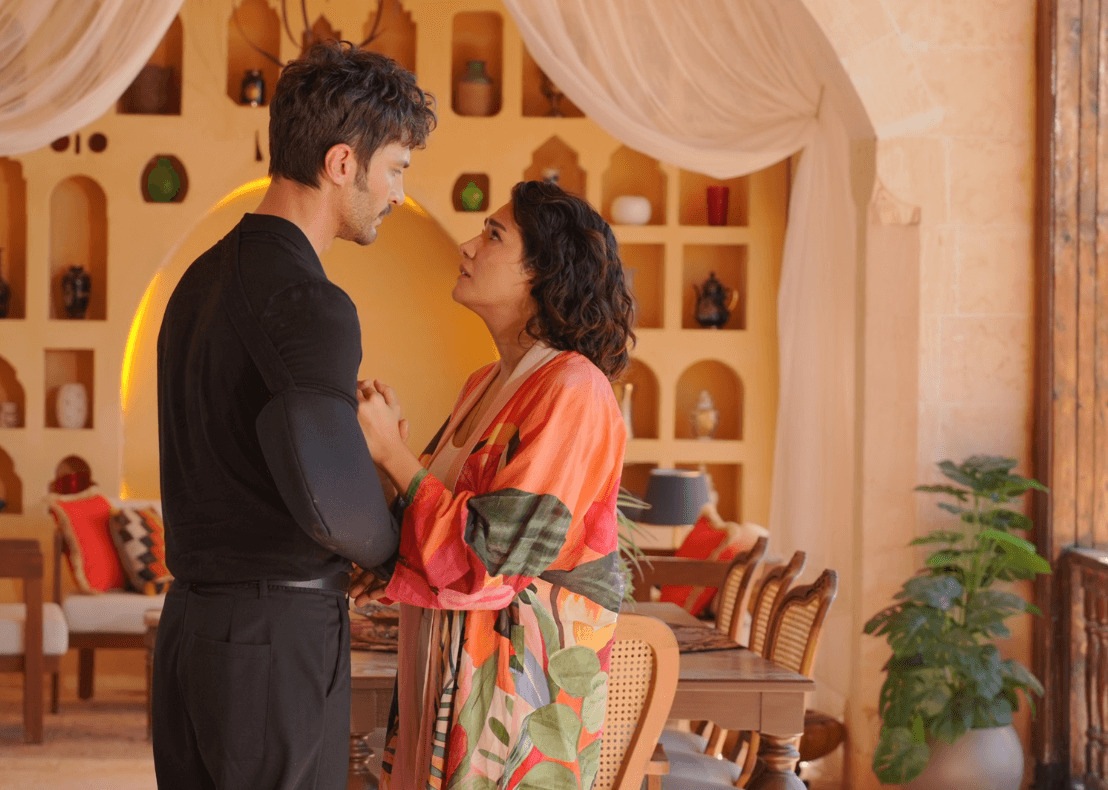
Filmed in the historic city of Urfa, a place steeped in culture and mythology, “Halef” has quickly become a phenomenon in Turkish entertainment. The series stars İlhan Şen, Aybüke Pusat, and Biran Damla Yılmaz, three of Turkey’s most charismatic and talented actors, under the powerful production of Most Production.
The Storyline: A Deep Connection Between Past and Present
At its core, Halef: The Call of Roots is not just another Turkish drama it’s a spiritual journey through heritage, identity, and destiny. The narrative revolves around Halef, a man caught between modern life and ancestral traditions, whose fate leads him to rediscover the forgotten truths of his lineage in the mystical landscapes of southeastern Turkey.
Each episode unfolds layers of family secrets, emotional conflicts, and moral dilemmas, offering a powerful reflection on belonging, faith, and cultural roots. This profound storytelling has struck a chord with audiences not only in Turkey but also among international fans of Turkish series, who are increasingly discovering the show through streaming platforms.
Cinematic Brilliance: Why Urfa Matters
One of the biggest strengths of “Halef” lies in its visual storytelling. The production team’s decision to film in Urfa, also known as the “City of Prophets,” gives the series an unmistakable authenticity.
The sun-drenched stone houses, ancient ruins, and golden desert horizons of the region provide a cinematic backdrop that feels almost mythical.
Urfa’s landscape doesn’t just serve as scenery it’s a living, breathing character that mirrors the show’s emotional and spiritual themes. Director and producers have masterfully blended the local culture, music, and architecture to create a visual identity that resonates deeply with the audience.
🎧 Fun Fact: The haunting soundtrack of “Halef” is inspired by traditional Kurdish and Arabic melodies native to Urfa, enhancing the series’ emotional impact.
The Cast That Brings “Halef” to Life
İlhan Şen (Halef) — Known for his commanding screen presence, Şen brings depth and intensity to the role of Halef. His portrayal of a man torn between two worlds feels both raw and relatable.
Aybüke Pusat — As the series’ emotional anchor, Pusat’s performance radiates quiet strength and vulnerability, elevating every scene she’s in.
Biran Damla Yılmaz — Her nuanced performance adds complexity and heart to the narrative, especially in moments of confrontation and revelation.
Together, this trio delivers performances that transcend television drama, turning “Halef” into a cinematic experience.
Dominating the Ratings: A Cultural Phenomenon
According to the latest rating data, the show’s fourth episode achieved:
8.07 in Total Audience (Tüm Seyirciler)
5.30 in AB demographic
6.69 in ABC1 demographic
These figures place “Halef” at the top of the Turkish television charts, confirming its wide appeal across different audience segments. The show’s consistent upward trend suggests not just temporary success but the potential to become a long-term staple in Turkish pop culture.
Why “Halef” Resonates With Modern Audiences
In a world where many TV series chase trends or superficial drama, “Halef” succeeds by grounding its story in timeless themes family, destiny, and belonging.
The show speaks to a generation searching for meaning, exploring how one’s roots and identity can shape destiny in unexpected ways.
This emotional and philosophical depth has become the key to its success. Online discussions on platforms like Twitter (X) and Instagram have been buzzing with hashtags such as #HalefNOW, #HalefDizisi, and #KöklerinÇağrısı, highlighting the show’s growing online fandom.
Global Appeal: Turkish Dramas Conquering the World
Turkish TV dramas have seen a massive surge in global popularity in recent years. From the Middle East to South America and even Europe, shows like Diriliş: Ertuğrul, Magnificent Century, and now Halef are winning over international audiences with their cinematic storytelling and emotional authenticity.
“Halef” continues this tradition, blending mysticism, romance, and cultural heritage into a narrative that transcends borders. International streaming deals and fan translations are already helping the show gain traction beyond Turkey’s borders.
What Critics Are Saying
Media critics across Turkey have praised the show’s rich visual style and thematic depth. Entertainment journalist Merve Güneş described “Halef” as “a haunting reflection on identity and the invisible threads that tie us to our past.”
Meanwhile, cultural analyst Cem Arslan noted that the series “sets a new standard for regional storytelling in Turkish television.”
Final Thoughts: A New Era for Turkish Storytelling
With its exceptional storytelling, authentic setting, and emotionally charged performances, Halef: The Call of Roots is more than just a TV series it’s a cultural movement.
It reaffirms Turkey’s position as a powerhouse in global television production, where artistry and heritage intertwine to create something timeless.
As ratings climb and fan engagement surges, “Halef” stands as proof that authentic stories told with heart and vision always find their audience.
About Author
Rashida Yasmeen
An international media analyst specializing in Turkish and global television trends. With expertise in drama storytelling, audience engagement, and cross-cultural media, she provides in-depth analysis and fresh perspectives on the evolving entertainment landscape for readers worldwide.