
Halef: Call of the Roots Episode 8 Review – When Truth Demands a Sacrifice
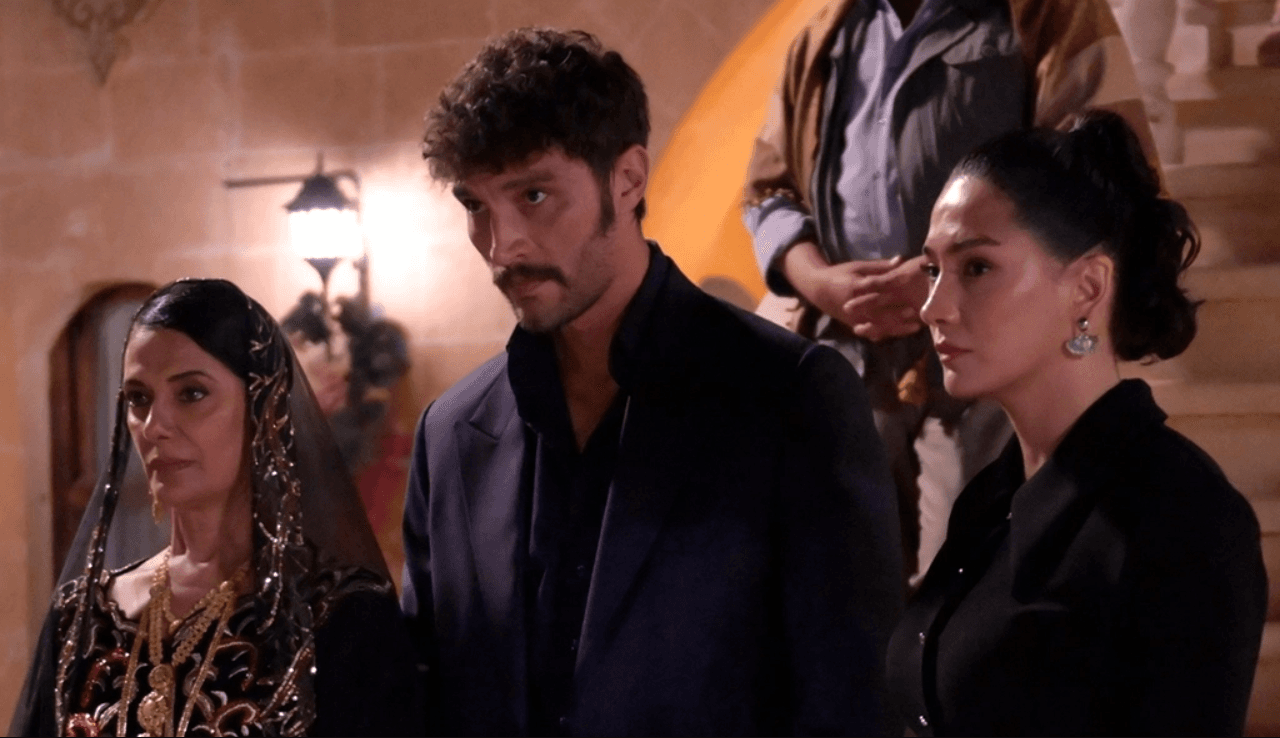
Turkish television continues to redefine the emotional depth of serialized drama, and Halef: Köklerin Çağrısı stands at the heart of this new wave. Episode 8 delivers a masterclass in tension, moral conflict, and fate, pulling viewers deeper into the labyrinth of its characters’ intertwined destinies. With every revelation, the series reminds us that legacy isn’t inherited—it’s confronted.
Sevde’s public confession changes everything for Melek. Each secret revealed about her past drives her into a deeper search for truth and redemption. Meanwhile, Yusuf, who failed to complete his mission to kill Sevde, faces a punishment from Sultan that he could never have imagined.
Serhat humiliates Ziyan Ağa at dinner, forcing Ziyan to take out his anger on Yıldız. The price he demands from Yıldız to atone for her mistake is devastating—forcing her to choose between her family and her dignity.
Elsewhere, Akif attempts to sell ancient artifacts stolen from the Kordağlı family’s cave. But Serhat, who has also learned about the missing relics, begins investigating. Desperate to clear his name, Akif sets his sights on a dangerous plan—with Serhat as his target.
Melek’s Journey: From Confession to Confrontation
At the emotional center of Episode 8 is Melek—a woman caught between the weight of her past and the uncertainty of her future. Sevde’s public confession strikes like lightning, tearing open wounds Melek thought long healed.
Her storyline this week carries a quiet intensity. Instead of reacting with fury, Melek’s response is spiritual—a search for meaning. This thematic turn transforms Halef: Köklerin Çağrısı from a family saga into something deeper: a meditation on fate, forgiveness, and identity.
The writers masterfully explore how truth—once spoken aloud—cannot be undone. Melek’s journey echoes the universal struggle of confronting the past while yearning for freedom from it.
Yusuf’s Reckoning: When Duty Turns to Damnation
Yusuf’s subplot delivers some of the most harrowing scenes of the episode. Having disobeyed Sultan’s direct order to kill Sevde, Yusuf becomes the victim of his own moral hesitation. His punishment is not just physical—it’s psychological, designed to strip him of both agency and honor.
This narrative thread underscores a recurring theme in Halef: the conflict between loyalty and conscience. Can a man serve his master and still serve his soul? Yusuf’s ordeal invites viewers to question whether obedience without belief is worth the price of one’s humanity.
Actor Ismail Eren Demircan brings quiet despair to Yusuf’s role, his silence often louder than any dialogue. The scene where he faces Sultan’s wrath stands out as one of the episode’s defining moments—raw, restrained, and unforgettable.
Yıldız’s Choice: Between Blood and Betrayal
The humiliation of Ziyan Ağa sets off a domino effect that lands squarely on Yıldız’s shoulders. Blamed for Serhat’s insult, she must “make things right,” but the demand comes at an unbearable cost.
This plotline exposes how patriarchal honor systems can crush individual morality. Yıldız’s internal struggle—whether to defend her pride or protect her family—transforms her into one of the series’ most tragic figures.
Through her, Halef critiques the toxic blend of tradition and power, showing how women often carry the moral burden of men’s failures. It’s a subtle yet powerful commentary on gendered injustice that feels heartbreakingly modern despite its traditional setting.
Akif and Serhat: The Dance of Deceit
Akif’s decision to sell the Kordağlı family’s stolen artifacts introduces a layer of crime-thriller energy into the narrative. The contrast between his desperation and Serhat’s cold calculation creates a tension that defines the latter half of the episode.
Serhat, already entangled in power games and pride, becomes the hunter and the hunted. His pursuit of the missing relics isn’t merely about wealth—it’s about control. The fact that Akif turns the tables and sets Serhat up as his scapegoat adds a Shakespearean irony to the episode.
The writers deserve praise for balancing the moral and material stakes so seamlessly. Each subplot feels interconnected, adding density without confusion—a rare feat in ensemble storytelling.
Thematic Depth: Truth, Punishment, and Redemption
Episode 8 thrives on moral ambiguity. No character is entirely innocent; no sin goes unpunished. This equilibrium between justice and fate is what gives Halef: Köklerin Çağrısı its philosophical power.
Melek’s search for peace, Yusuf’s descent into guilt, and Yıldız’s heartbreaking decision all converge around one central idea: truth demands sacrifice. Whether it’s pride, loyalty, or love, each character must surrender something precious to move forward.
In this sense, the series continues the great tradition of Turkish dramatic realism—merging mythic storytelling with emotional authenticity.
Cinematic Craft: Shadows, Silences, and Symbolism
Director Deniz Çelebi uses light and silence as emotional weapons. The dimly lit interiors, the echo of footsteps in long hallways, and the symbolic use of mirrors all reinforce the episode’s psychological intensity.
The cinematography transforms ordinary domestic settings into moral battlegrounds. Each frame feels like a painting—moody, intimate, and full of subtext. The score, understated yet haunting, amplifies the sense of inevitability that pervades the story.
Faith and Fate: The Spiritual Undercurrent
While Halef is not a religious drama, it carries a spiritual tone that sets it apart from other Turkish series. The concept of halef—the one who inherits, continues, or fulfills a legacy—permeates every storyline.
In Episode 8, faith is both comfort and curse. Melek prays for truth; Yusuf prays for mercy; Yıldız prays for strength. Yet none of them find peace, suggesting that divine justice operates on its own timeline.
This philosophical dimension makes Halef not just entertainment, but reflection—a mirror held to the human soul.
Global Appeal: Why Halef Speaks Beyond Borders
What makes Halef: Köklerin Çağrısı particularly resonant for international audiences is its universal language of emotion. It’s not about Turkish culture alone; it’s about the eternal conflicts of love, guilt, and destiny.
Like Kuruluş Osman or Yalı Çapkını, it bridges the gap between local authenticity and global storytelling. For Western viewers, it offers a window into the Turkish narrative tradition—rooted in faith yet brimming with psychological realism.
Final Verdict: A Symphony of Secrets and Souls
Halef: Köklerin Çağrısı Episode 8 is a hauntingly beautiful exploration of truth’s destructive power. It refuses easy resolutions, asking viewers to sit with discomfort and doubt.
With its masterful pacing, layered performances, and thematic boldness, this episode marks a high point for Turkish drama in 2025. Every scene feels intentional, every silence meaningful.
Source: Now TV, Variety Global Magzine, IMDB, Dizitrack
About Author
Rashida Yasmeen
An international media analyst specializing in Turkish and global television trends. With expertise in drama storytelling, audience engagement, and cross-cultural media, she provides in-depth analysis and fresh perspectives on the evolving entertainment landscape for readers worldwide.