
Gozleri KaraDeniz – Episode 9 Review: Between the Sea and the Shadows
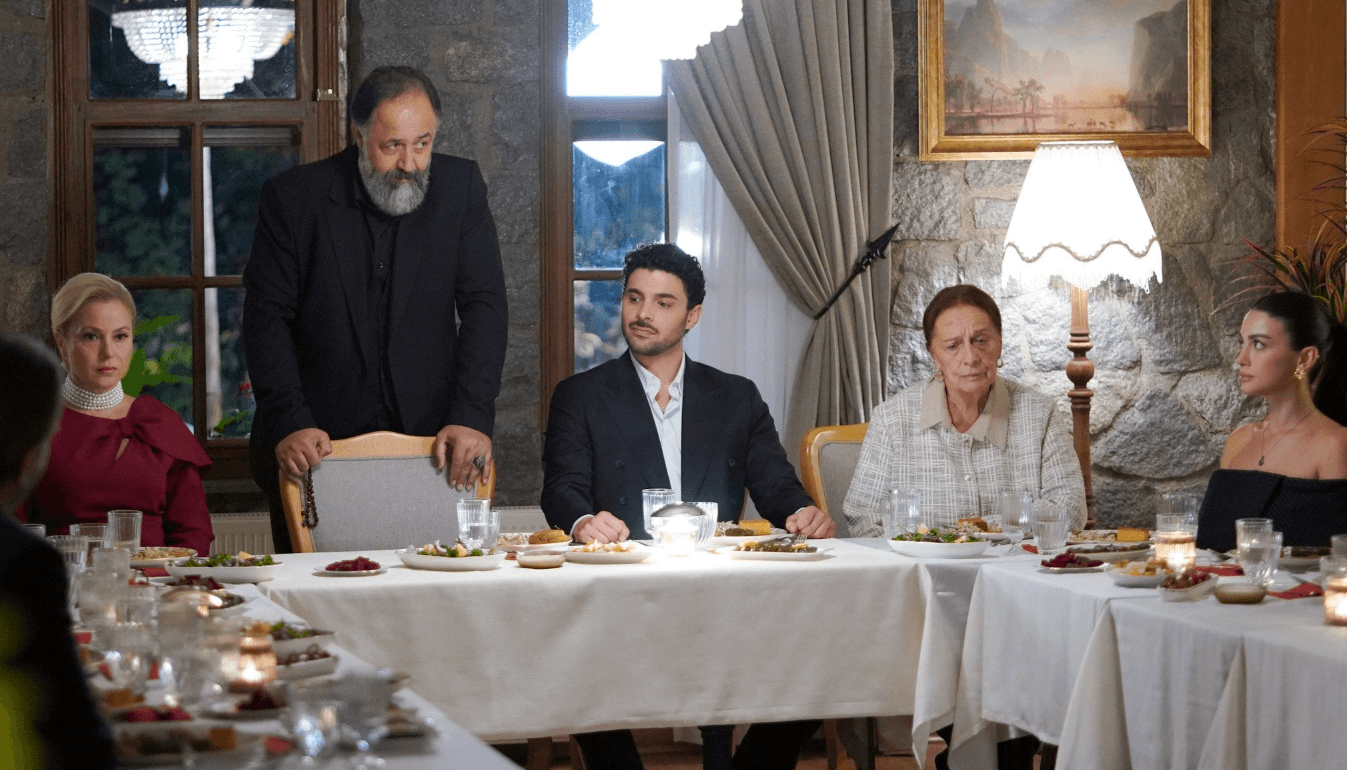
Episode 9 of Gözleri KaraDeniz stops a tragedy at the very edge of execution. At the last second, Güneş and Azil intervene to halt Mehmet’s impending death sentence. When Güneş declares she will no longer pursue a divorce, Azil is left reeling. Just as they seem closer than ever, Mehmet once again becomes the wall that divides them.
Mehmet survives, but the knowledge that his own father ordered his death reshapes him. Cast out from the Maçari clan, he begins to plot a harder, colder strategy to reclaim power and redefine loyalty. Meanwhile, Güneş and Azil weigh the dangers of Mehmet turning informant. Azil, as head of the council, issues new decrees, while Güneş’s deceptive plan backfires—she becomes the prey in her own game, forced once more into Mehmet’s control. The question that closes the episode is simple but cruel: can Azil save her before the tide turns again?
Analysis
A Storyline Anchored in Contradiction
The strength of Episode 9 lies in its emotional paradox. Every act of salvation carries a cost; every alliance conceals a fracture. Writers build the tension between love and betrayal through dialogue that feels both lyrical and lethal. Viewers see how quickly loyalty erodes when family honor and survival collide.
Performances
The three leads—embodying Güneş, Azil, and Mehmet—carry the weight of this moral storm. Güneş’s quiet defiance against fate provides the heart of the narrative. Azil, portrayed with stoic intensity, channels a leader torn between justice and affection. Mehmet’s transformation from victim to strategist is chilling; he wears trauma like armor. The triangle feels less romantic than existential, as each character fights for ownership of truth.
Direction and Visual Style
Directors Altan Dönmez and Orkun Çatak use the Karadeniz region’s rugged beauty as counterpoint to Istanbul’s neon darkness. Wide drone shots of the sea dissolve into the claustrophobia of safe houses and interrogation rooms. The contrast mirrors Mehmet’s internal exile: endless horizons outside, narrow corridors within.
Lighting design deserves mention. The show’s cinematography borrows from Nordic noir aesthetics—muted blues, cold whites, shadows that swallow half a face—to turn every conversation into a confession.

Themes:
Power, Redemption, and Inheritance
This chapter deepens Gözleri KaraDeniz’s central question: can bloodlines dictate destiny? Mehmet’s struggle against his father’s command transforms family into battlefield. Güneş’s moral gamble exposes the limits of sacrifice. Azil’s leadership becomes a test of whether justice can coexist with mercy. These themes echo the show’s title—“Eyes of the Black Sea”—where every glance hides undertow.
Cultural and Geographic Context
The series draws on the emotional geography of northern Turkey, juxtaposing the mythic sea with Istanbul’s criminal underworld. For international viewers, Turkey’s Black Sea region offers both real landscapes and symbolic meaning—tradition clashing with modern power structures. The directors exploit this tension masterfully.
Writing and Pacing
Episode 9 balances action and introspection better than previous installments. The script avoids melodrama by grounding each twist in motive. When Güneş claims she will not divorce Mehmet, the dialogue’s restraint—delivered with minimal score—creates impact more powerful than gunfire.
The pacing shifts in the final act: a council meeting filmed with overlapping whispers and static shots culminates in Güneş’s capture, reminding viewers that control in this universe is always temporary.
Music and Sound
Composer Emre Duru (known for his work on Turkish thrillers) keeps the score subtle—low cello drones, fragments of folk percussion, and silence used as punctuation. The sea’s roar replaces orchestration in key moments, a reminder that nature itself is judge and witness.
Comparative Perspective
Fans of global crime dramas like Money Heist or Peaky Blinders will recognize similar narrative DNA: redemption arcs laced with family curses. Yet Gözleri KaraDeniz stays uniquely Turkish in tone. The story’s moral gravity and respect for cultural codes set it apart from Western thrillers.
For additional background on Turkish television’s rise in international markets, see Forbes’ report on Turkish drama exports, which explains how shows like Gözleri KaraDeniz shape perceptions of modern Turkey abroad.
Production and Direction
Gözleri KaraDeniz benefits from a clear visual grammar. Directors Dönmez and Çatak favor practical lighting, handheld intimacy, and an unhurried rhythm that allows emotion to breathe. Their partnership—one rooted in character realism, the other in thriller choreography—creates an aesthetic that feels cinematic rather than episodic.
The production’s color grading leans toward steel blues and amber tones, mirroring the duality of land and sea. Costuming, particularly Güneş’s evolving palette from ivory to storm gray, visually charts her descent from innocence to complicity.
Audience Reception and Social Impact
Social media reaction after the broadcast on ATV was immediate: hashtags like #GözleriKaraDeniz9Bölüm trended overnight. Viewers praised the unexpected halt of Mehmet’s execution and debated whether Güneş’s decision stemmed from love or strategy.
Critics within Turkish entertainment circles note that the series’ portrayal of female agency—especially Güneş’s moral intelligence—marks a shift from earlier revenge-driven dramas. The show treats emotion as intellect, not weakness.
Final Thought
Episode 9 proves that Gözleri KaraDeniz has matured from crime thriller to psychological epic. Every scene crashes like a wave—sometimes gentle, often devastating. Mehmet’s survival and rebirth redefine what it means to belong; Güneş’s entrapment reframes power as vulnerability.
If earlier episodes asked who controls destiny, this one answers: no one sails without storms.
The closing shot—Güneş standing before a dark horizon, the sea reflecting both freedom and threat—captures the essence of the series: beauty and danger, indivisible.
Souce: ATV, IMDB, Variety Global Magzine, Forbes
About Author
Rashida Yasmeen
An international media analyst specializing in Turkish and global television trends. With expertise in drama storytelling, audience engagement, and cross-cultural media, she provides in-depth analysis and fresh perspectives on the evolving entertainment landscape for readers worldwide.