
“Karınca Baba” Arrives in Gönül Dağı: Compassion, Mystery, and the Wisdom of a Wanderer
A Legacy of Warmth, Renewed with Mystery
For six seasons, Gönül Dağı has been more than a television series — it has been a cultural heartbeat of Turkish storytelling. Blending humor, emotion, and rural philosophy, the show captures Anatolia’s human spirit better than almost any other production on air.
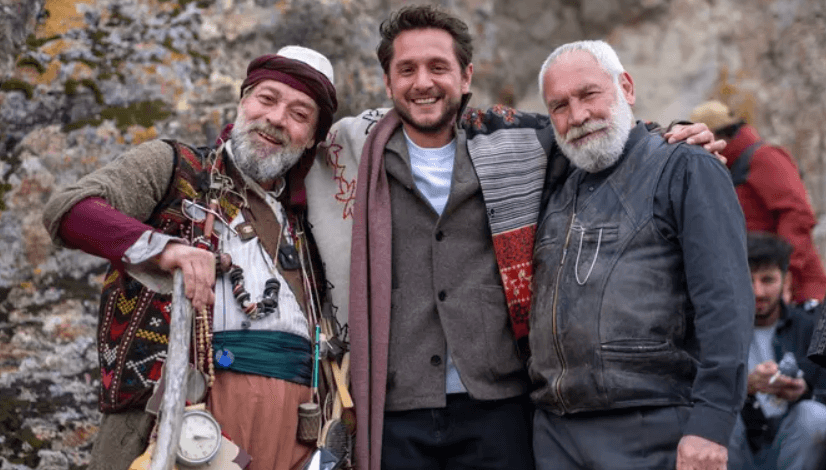
Now, as the show embarks on a new chapter, a mysterious traveler enters the frame — Karınca Baba. Played by the veteran Seda Yıldız, the character’s introduction has sparked instant curiosity among fans and critics alike.
Yıldız, whose distinguished career includes powerful roles in both theater and cinema, describes his character as “a man who lightens his soul by helping others.” It’s a poetic line — and one that perfectly fits Gönül Dağı’s universe of humble heroes and moral parables.
“Karınca Kararınca Yaşamak”: A Man of Modest Miracles
“Karınca Baba,” literally meaning “Father Ant,” embodies a Turkish idiom — karınca kararınca yaşamak — living humbly, doing one’s best with quiet dignity.
In Gedelli, he appears as a wandering saint, a man who carries a heavy satchel but a light heart. His philosophy is simple: “One hand should not see what the other gives.”
Through his quiet deeds — leaving food at a doorstep, comforting a grieving soul, or mending a child’s toy — Karınca Baba becomes the moral compass of the village.
The show’s creators, including director Yahya Samancı and writers Ali Asaf Elmas and Mustafa Becit, are known for weaving moral symbolism into everyday life. With Karınca Baba, they’ve found the perfect vessel for their message: kindness is the purest form of faith.
Seda Yıldız: A Master Joins the Ensemble
The addition of Seda Yıldız to Gönül Dağı’s ensemble is both a casting triumph and a creative evolution.
In an exclusive TRT1 interview, Yıldız revealed:
“It was a series I watched and loved deeply. When the offer came, I was truly happy. Gönül Dağı is not just a show — it’s a world where goodness still matters.”
The actor’s seasoned gravitas lends authenticity to Karınca Baba’s mystique. Known for roles that balance strength with vulnerability, Yıldız’s presence bridges generations — resonating with both long-time fans and younger viewers who grew up with Gönül Dağı’s wholesome narratives.
Gedelli’s Moral Landscape Deepens
Each season of Gönül Dağı introduces new faces that mirror the changing moral and social dynamics of small-town Anatolia. Karınca Baba’s arrival is no exception.
Where previous arcs focused on family, love, and ambition, this storyline returns to themes of redemption and moral courage.
His character brings a contemplative stillness to the narrative — the kind of reflective wisdom that challenges both characters and audiences to reconsider what “goodness” truly means in a world increasingly ruled by self-interest.
As one local villager remarks in an early scene:
“He carries no gold, yet everyone he meets feels richer.”
A Meeting of Icons: Yıldız with Sepetçi, Dilligil, and Sevimli
Longtime viewers of Gönül Dağı will find comfort in seeing Yıldız join familiar faces like Yavuz Sepetçi, Şebnem Dilligil, and Hüseyin Sevimli, with whom he previously shared the stage in theatre and television.
This reunion enriches the show’s atmosphere — on-screen chemistry rooted in decades of professional camaraderie. Together, they transform Gedelli not merely into a fictional town but a living community where every emotion feels earned.
“We are setting off on a journey full of surprises,” Yıldız said. “Audiences will witness new adventures with Karınca Baba, but also rediscover the essence of why they fell in love with Gönül Dağı in the first place.”
“Karınca Baba” and the Weight of Goodness
What makes Karınca Baba such a compelling addition is that he’s not a saint in the traditional sense — he’s a man haunted by his own past.
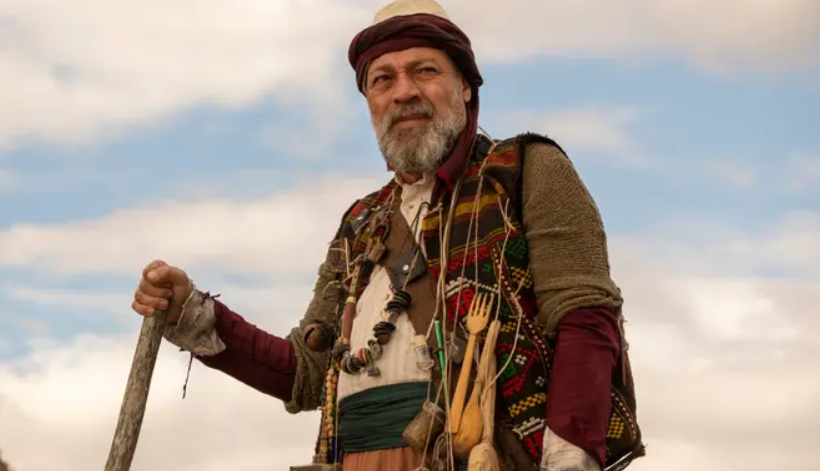
Each act of kindness becomes a quiet atonement, each smile a small redemption. His heybe (satchel), always full yet invisible in weight, symbolizes the paradox of charity: the more he gives away, the lighter he becomes.
The writers avoid sentimentality; instead, they ground Karınca Baba’s actions in realism. His generosity is not performative — it’s instinctive, born of guilt and grace in equal measure.
Cinematic Craft: Where Symbolism Meets Soul
Under TRT’s polished direction, Gönül Dağı continues to set a high bar for production quality. The cinematography of the Anatolian steppe — golden fields stretching to the horizon — reflects the serenity and simplicity of Karınca Baba’s philosophy.
Every frame, bathed in soft sunlight, becomes a visual hymn to hope.
The sound design — often punctuated by the whisper of wind or the rustle of grain — reinforces the show’s minimalist spirituality.
The series doesn’t rush his story. Instead, it lets him walk — slowly, deliberately — through Gedelli’s streets, as if measuring the weight of every step. His journey becomes a visual metaphor for the pace of kindness itself: unhurried, unseen, unstoppable.
A Universal Message for Global Audiences
While deeply rooted in Turkish culture, Gönül Dağı’s appeal transcends borders.
International viewers, particularly through subtitled releases on YouTube and TRT’s global platforms, have embraced the series for its emotional clarity and moral sincerity.
Karınca Baba’s arrival, with its blend of mystery and humanity, will likely strengthen that connection. In an era dominated by cynicism, his quiet goodness feels revolutionary.
The series becomes a reminder that moral strength does not always roar — sometimes, it walks softly with a smile and a satchel full of hope.
Themes: Redemption, Generosity, and Legacy
Karınca Baba’s narrative arc aligns perfectly with Gönül Dağı’s core values — loyalty, compassion, and second chances.
His story invites the audience to reflect on how the smallest acts can transform a community.
In a powerful mid-episode monologue, he muses:
“Kindness is not a coin to be counted. It’s a seed. You plant it, and someday, even if you’re gone, it grows in someone else’s heart.”
That single line encapsulates Gönül Dağı’s six-year legacy — a show built not on spectacle, but sincerity.
Critical Perspective
From a television-analytical standpoint, Gönül Dağı continues to evolve without losing its moral compass. The inclusion of a philosophical character like Karınca Baba mirrors the show’s shift toward spiritual realism — storytelling that blends faith, folklore, and emotional truth.
While some dramas rely on melodrama or political conflict, Gönül Dağı finds depth in empathy. Its strength lies not in its twists, but in its tenderness.
With Seda Yıldız’s nuanced performance, the series demonstrates once again that the quietest characters can make the loudest impact.
Summary
Genre: Family Drama / Folk Realism
Director: Yahya Samancı
Writers: Ali Asaf Elmas & Mustafa Becit
Network: TRT1
Production: Köprü Film
Main Cast: Berk Atan, Melis Sevinç, Semih Ertürk, and guest star Seda Yıldız as “Karınca Baba”
Themes: Kindness, Redemption, Rural Life, Faith, Generosity, Healing
Final Thoughts: The Ant Who Teaches Giants
In the crowded world of Turkish television, where revenge and intrigue often dominate, Gönül Dağı continues to prove that goodness can still lead the ratings.
With Karınca Baba, the show doesn’t just introduce a new character — it reaffirms a timeless belief: that every act of kindness, no matter how small, shapes the moral landscape of a community.
Seda Yıldız’s portrayal turns simplicity into strength, making Karınca Baba not just a man of the story, but a mirror of the show’s soul.
By Yasmeen / Published: October 24, 2025
Sources: TRT1 Press Office, Köprü Film, IMDb Turkey, TRT Haber, Variety Global
About Author
Rashida Yasmeen
An international media analyst specializing in Turkish and global television trends. With expertise in drama storytelling, audience engagement, and cross-cultural media, she provides in-depth analysis and fresh perspectives on the evolving entertainment landscape for readers worldwide.