
ennetin Çocukları Episode 8: Secrets, Struggles, and Family Showdowns
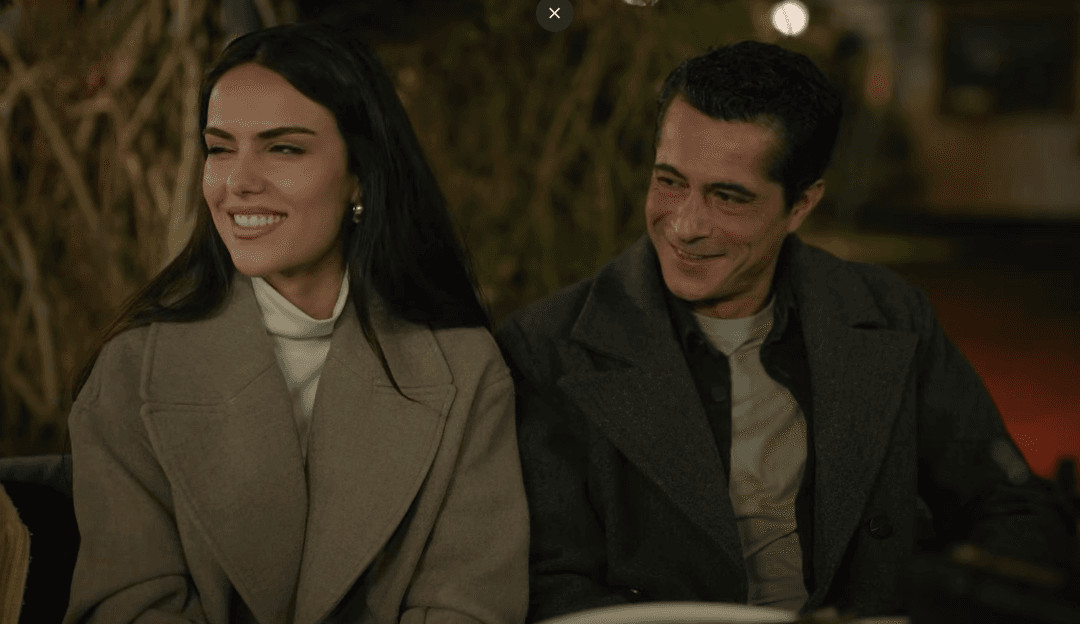
Cennetin Çocukları Episode 8: A Deep Dive into Secrets and Confrontations
Turkish dramas continue to capture global attention, and Cennetin Çocukları proves why. Episode 8 is a perfect example of how layered storytelling, compelling characters, and escalating tension can keep viewers on the edge of their seats. With themes of family loyalty, love under pressure, and the struggle for truth, this episode provides both entertainment and a mirror to societal dynamics in Turkey.
The Revealing Truth: Adem and İskender
One of the most riveting moments of Episode 8 comes with Adem realizing that İskender is not Kamil. This revelation sets off a series of questions: Will İskender be able to prevent Adem from exposing the truth? And how will this affect the family dynamics that have been carefully constructed over previous episodes?
The tension between Adem and İskender is emblematic of the classic Turkish drama trope—secrets and identity crises that threaten to unravel a family. But what makes this conflict unique is the psychological depth the show gives both characters. Adem’s moral struggle to reveal the truth clashes with İskender’s desperation to maintain control, creating a narrative that is both suspenseful and emotionally charged.
For context, Turkish dramas like Ezel and Fatmagül’ün Suçu Ne? have historically thrived on identity revelations, but Cennetin Çocukları manages to modernize this by integrating contemporary family dilemmas and realistic character motivations. According to Turkish Drama News, this approach is why shows like this maintain international appeal and critical acclaim.
Sezen’s Bold Stand: Love vs. Family Pressure
Sezen’s storyline in Episode 8 showcases an increasingly empowered female protagonist navigating patriarchal pressures. She confronts her father on behalf of Adem, challenging traditional expectations of obedience and familial hierarchy.

This conflict raises an important question: Can Sezen withstand Şeref’s relentless pressures for the sake of love? This plotline is not just romantic drama—it’s a study in resilience and emotional intelligence. Modern audiences are drawn to characters who combine courage with vulnerability, and Sezen fits this mold perfectly. Her actions illustrate how Turkish dramas are shifting towards complex portrayals of women who assert agency without losing emotional depth.
The Cousins’ Last Stand: A Family in Turmoil
Meanwhile, the cousins’ struggle to protect Arife’s children reaches a fever pitch. This time, they face the formidable Şeref, whose presence threatens to destabilize the family completely. The ensuing confrontation is intense, highlighting themes of loyalty, bravery, and moral courage.
The battle is not merely physical; it is a metaphorical clash of values, echoing larger societal debates on authority, family honor, and justice. When Şeref attacks the entire family, the narrative tension skyrockets. İskender’s role as protector adds another layer of suspense: Will he succeed, or will the family fall victim to Şeref’s wrath?
Character Analysis: Psychological Layers and Viewer Engagement
Episode 8 deepens the psychological complexity of its core characters:
- Adem: Torn between truth and protection, he embodies the classic moral dilemma.
- İskender: His manipulations are both strategic and emotional, showing the duality of his nature.
- Sezen: Represents courage, love, and defiance against patriarchal constraints.
- Şeref: The antagonist whose actions catalyze conflict and reveal deeper family fractures.
This multidimensional character approach is critical to why Cennetin Çocukları resonates with both Turkish and international audiences. Viewers are not just consuming a story; they are emotionally invested in real human dilemmas.
Cultural Resonance and Global Appeal
Turkish dramas have an extraordinary global footprint, particularly in Europe, the Middle East, and Latin America. Cennetin Çocukları leverages universal themes—family, love, betrayal, and identity—to connect with diverse audiences. By integrating culturally specific elements such as Turkish familial hierarchy, neighborhood dynamics, and societal expectations, the show educates and entertains simultaneously.
From an analytical perspective, Episode 8 illustrates how Turkish series balance local authenticity with international accessibility. The tension between individual desires and collective obligations is something universally relatable, which explains why Turkish dramas rank consistently high on platforms like Netflix and HBO Max.
Narrative Techniques: Why Episode 8 Works
Several storytelling techniques make Episode 8 particularly effective:
- Rising Tension: Each plotline builds on the previous, culminating in confrontations that feel inevitable yet unpredictable.
- Character Depth: The episode explores motivations and internal conflicts, not just external drama.
- Symbolic Conflicts: Battles and confrontations are metaphorical as well as literal, reinforcing thematic resonance.
- Pacing and Timing: Strategic editing keeps viewers engaged while allowing emotional moments to land.
These elements demonstrate a professional production standard, contributing to the show’s global recognition and industry impact.
What Episode 8 Means for the Series
As the narrative progresses, Episode 8 serves as a turning point:
- Secrets exposed by Adem could change family dynamics permanently.
- Sezen’s confrontation with her father may redefine her role in the story.
- Şeref’s aggression could lead to irreversible consequences for the family unit.
From an industry perspective, such plot developments are crucial for sustaining long-term viewer engagement and boosting international distribution value.
Conclusion: Episode 8 as a Model of Modern Turkish Drama
Episode 8 of Cennetin Çocukları exemplifies the best of modern Turkish drama: layered storytelling, psychologically complex characters, and globally resonant themes. It not only entertains but provides insight into human behavior, family dynamics, and societal pressures.
For fans, critics, and industry professionals, this episode reinforces why Turkish series continue to dominate global streaming charts, combining cultural specificity with universal appeal.
Source: TRT1, Variety global Magzine, IMDB, Dizitrack
Image Gallery


About Author
Rashida Yasmeen
An international media analyst specializing in Turkish and global television trends. With expertise in drama storytelling, audience engagement, and cross-cultural media, she provides in-depth analysis and fresh perspectives on the evolving entertainment landscape for readers worldwide.