
Can Borcu Finale: A Masterful Unraveling of Secrets and the Triumph of Family
Deconstructing the Climax: How "Can Borcu" Delivered a Cathartic Conclusion
The final episode of the hit series "Can Borcu" (directed by Semih Bağcı and written by Onur Uğraş) did not merely offer a conclusion; it delivered a masterclass in narrative payoff. For weeks, viewers were held captive by a web of forbidden affairs, internal conflicts, and generational disconnect. The finale, "Hoş Geldin Hoş Bulduk," brilliantly wove these threads together, exposing long-buried secrets and forcing characters to confront their pasts in a riveting climax.
This expert analysis breaks down the key moments and themes of the finale, exploring how the series delivered on its promise of high-stakes drama and emotional resolution.
The Chessboard Crashes: Emel's Downfall
The central conflict of the season culminated in Emel's spectacular downfall. Her character, a master manipulator, believed she had everyone exactly where she wanted them, famously boasting to Mehmet: "Handan'ı avucumun içine aldım. Onu böyle kukla gibi oynatacağım." (I've taken Handan into the palm of my hand. I will manipulate her like a puppet).
However, the finale demonstrated a core theme of the show: the inherent strength of a united family. Her downfall was not the work of a single hero but a collaborative effort:
Mehmet's Strategic Patience: Mehmet shifted from reactive anger to strategic planning. He understood that direct confrontation was futile and instead orchestrated a careful surveillance operation, acknowledging, "Yeni bir oyun kurmamız gerekiyor." (We need to devise a new game).
Ilgın's Redemption Arc: The mole within the house, Ilgın, became the key witness. Her decision to cooperate with Mehmet and Yıldırım, providing crucial evidence from her computer, was the turning point. Her line, "Yaptığın her şeyi anlattım. Artık sana olan sevgim bitti," (I told them everything you did. My love for you is finished), signified the final collapse of Emel's influence.
Yıldırım's Unsung Heroism: Revealed as the one who helped save Mehmet from being buried alive, Yıldırım’s actions underscored that loyalty often comes from the most unexpected places.
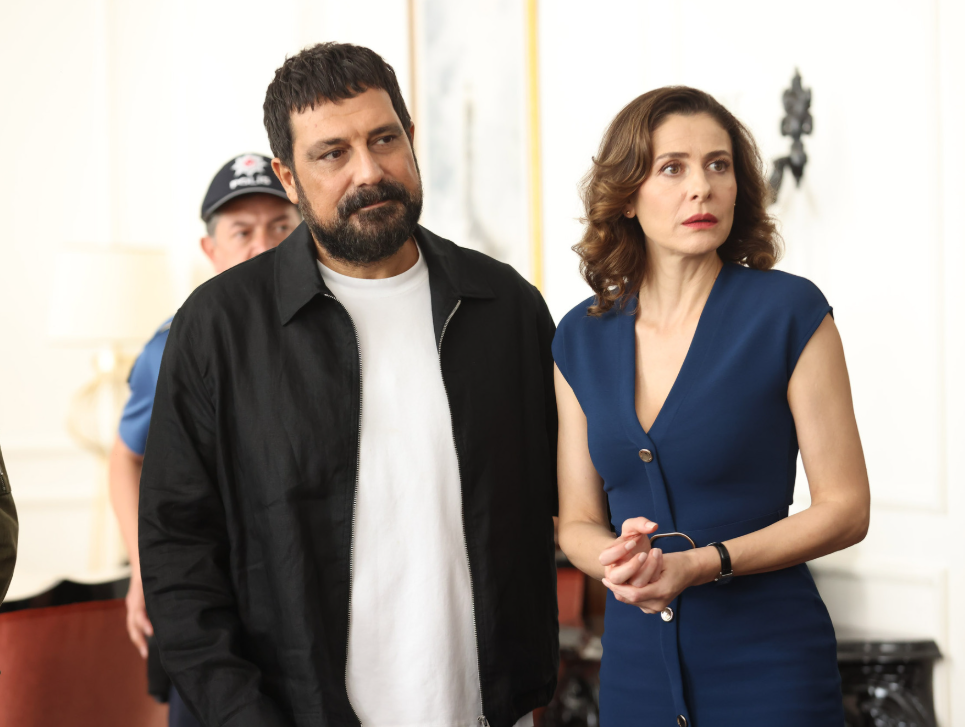
When Police Commissioner Oğuz arrives to arrest Emel for "planlı cinayet" (premeditated murder), it’s the satisfying culmination of this collective effort. The "artist" of manipulation, as she often called herself, was finally checkmated.
Handan's New Reality: Liberation or a Different Prison?
One of the most compelling and nuanced arcs in "Can Borcu" has been Handan's transformation following her brain injury. The finale continued to explore this with sensitivity. Her condition, which made her more impulsive and outspoken, was a double-edged sword.
On one hand, it made her vulnerable to Emel's manipulation. On the other, it liberated her from the constraints of her previous identity. Her passionate pursuit of her fashion brand, "Handa," and her declaration to Mehmet I want to succeed on my own... without your help show a woman rediscovering her agency.
The beautiful scene where the family—including Cavidan and Şükran—joins as partners in her venture is a powerful symbol of support. It’s the family saying they will nurture this new, independent version of Handan, rather than trying to force her back into her old mold. It’s a poignant message about accepting loved ones as they are, not as they were.
The Ripple Effects: Resolving Secondary Conflicts
The finale efficiently tied up other narrative loose ends, showing the widespread impact of the central drama:
Ferit's Trauma: Ferit's claustrophobia and panic attack in the elevator, calmed only by Yasemin, was a stark reminder of the psychological scars left by Emel's schemes. His relief, "Yasemin elimi tuttu... Hala seviyor beni," (Yasemin held my hand... She still loves me), points towards a hopeful path of healing for their relationship.
The Younger Generation Finds Love: The adorable confession between Ateş and Doğa, facilitated by Defne and Eko, provided a sweet counterbalance to the adult world's treachery. It reinforced the theme of pure, unmanipulated love winning in the end.
Şükran and Yaşar's New Beginning: Their move into the mansion as caretakers (or "kahya") offers a fresh start and integrates them more fully into the family fold, closing the chapter on their previous struggles.
A Final Toast to Family
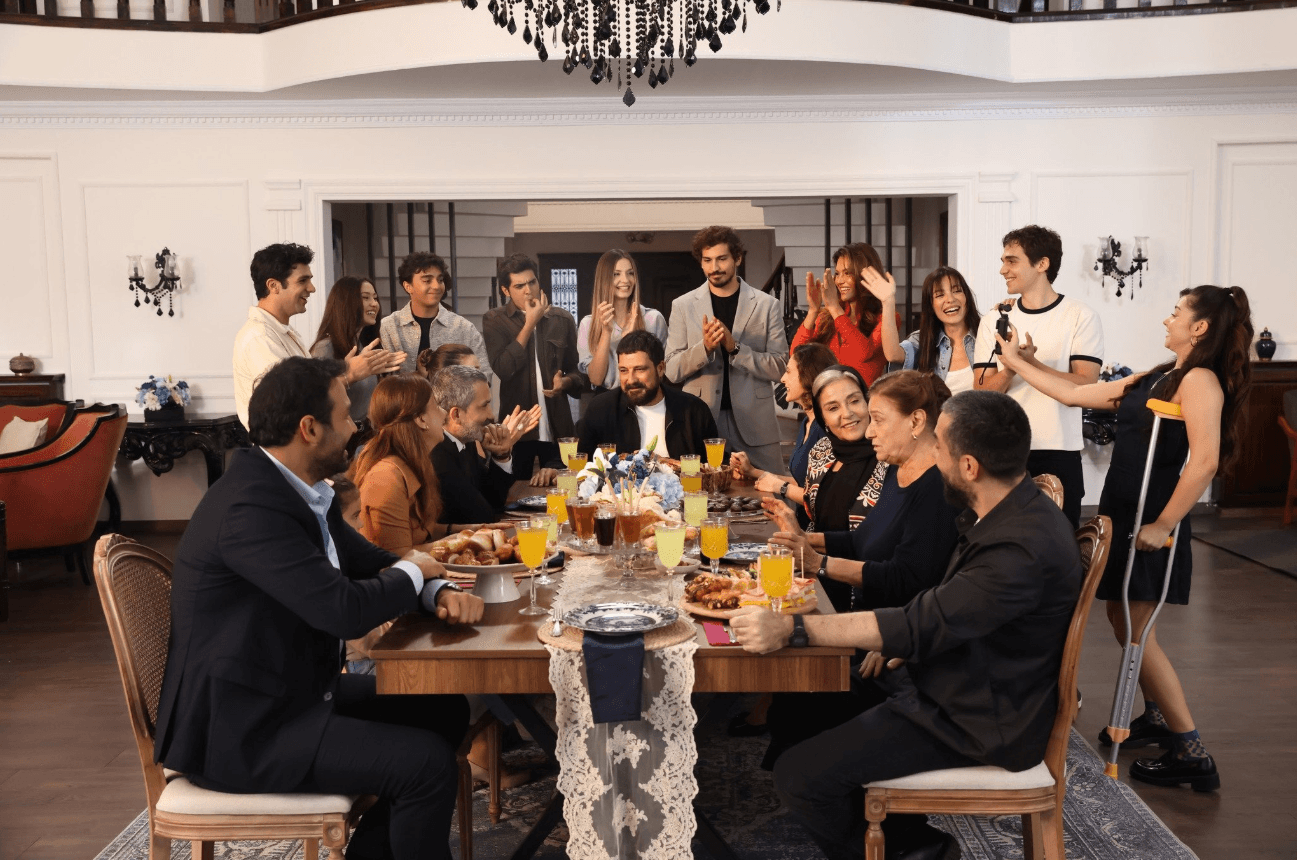
The closing scene, with the entire extended family gathered around the dinner table, is the ultimate visual representation of the series' core message. Mehmet's toast is a meta-commentary on the show itself:
"Çok zor günler geçirdik... Fakat bu masanın etrafında toplanmayı başarabildik. En büyük hayallerimden biriydi böyle büyük bir aile olabilmek."
(We went through very difficult days... But we managed to gather around this table. It was one of my biggest dreams to become such a large family.)
This moment underscores that despite yasaк ilişkiler, betrayals, and profound içsel çatışmalar, the "can borcu" (debt of life) to one another—the unbreakable bond of family—is what ultimately prevails.
Conclusion: A Finale That Earned Its Resolution
The "Can Borcu" finale succeeded because it respected its audience and its characters. It didn't offer easy solutions but provided earned resolutions. Under the masterful guidance of director Semih Bağcı and writer Onur Uğraş, the show delivered a finale that was both dramatically thrilling and emotionally resonant. By exposing the truth, embracing a new future, and celebrating the messy, imperfect, but unbreakable nature of family, "Can Borcu" cemented its place as a standout drama that expertly explored the universal themes that bind us all.
For more expert analysis of Turkish television and its most compelling narratives, explore our in-depth series reviews here on our blog. If you're interested in the work of the creative minds behind the show, learn more about the director, Semih Bağcı, through his official filmography at the Turkish Film Directors Association.
About Author
Rashida Yasmeen
An international media analyst specializing in Turkish and global television trends. With expertise in drama storytelling, audience engagement, and cross-cultural media, she provides in-depth analysis and fresh perspectives on the evolving entertainment landscape for readers worldwide.