
Aynadaki Yabancı Episode 3 Review: Secrets, Betrayals, and the Face Behind the Mirror
Introduction: When Truth Meets Reflection
The Turkish drama Aynadaki Yabancı has rapidly evolved from a mysterious fairytale into an emotional and psychological maze. Directed by Eda Teksöz and penned by Pelin Gülcan, Lara Bulut Tecim, Batuhan Özbay, and Berşan Tan, the show continues to blend suspense, romance, and tragedy with striking precision.
Episode 3 is a pivotal turning point a haunting exploration of identity, memory, and moral conflict. As Defne’s carefully constructed life begins to fracture, the woman in the mirror finally starts to reveal her true reflection: Azra Karaaslan.
Plot Recap: The Mask Starts to Crack
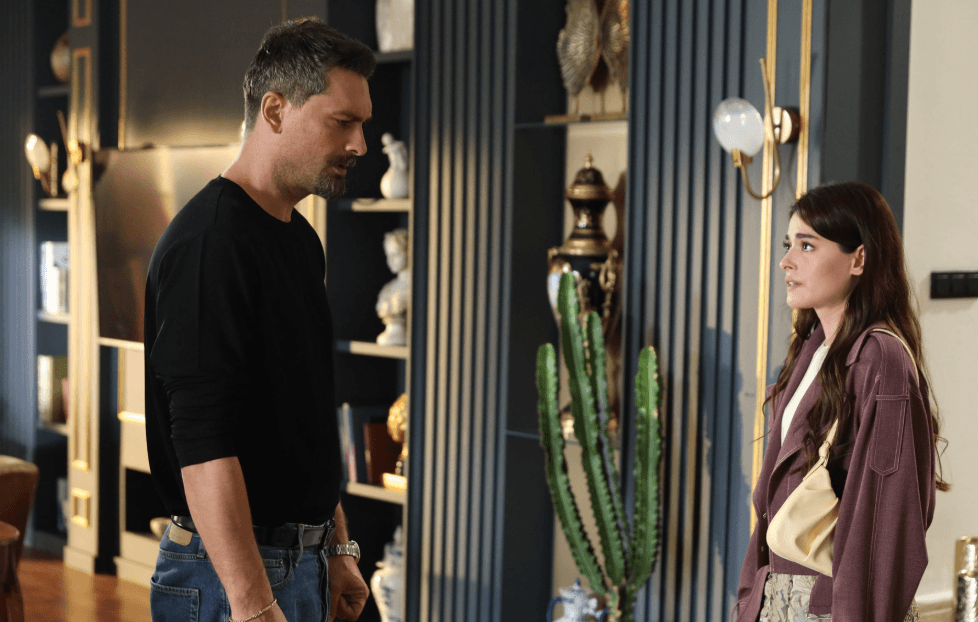
The episode opens with Barış confronting the painful truth: Defne, the woman he’s fallen for, is none other than Azra Karaaslan, the woman who disappeared years ago under tragic circumstances. His discovery forces him into a moral battle should he expose the truth or protect her from the consequences that might follow?
Just as Barış prepares to confess what he knows, a chilling figure appears at Emirhan’s side. That fleeting moment of fear halts him, setting off a tense psychological dance between truth and silence.
Meanwhile, Emirhan, whose outward calm conceals a dangerous unpredictability, senses Barış’s growing suspicion. What unfolds next is a taut interplay of rivalry, manipulation, and emotional warfare as Barış tries to uncover Emirhan’s true motives without tipping his hand.
Defne’s Dangerous Quest for Truth
While Barış battles his conscience, Defne (still unaware of her true identity as Azra) begins her own investigation. Determined to understand her fragmented memories, she sets out to find the mysterious woman everyone calls Azra. Enlisting Leyla’s help, Defne embarks on a risky plan that puts both their lives in jeopardy.
Her boldness draws Emirhan’s fury — but also his fascination. Defne’s fearless defiance challenges Emirhan’s control, leading to moments charged with both danger and tension. Yet, behind her courage lies a subconscious drive — the pull of a past self struggling to resurface.
The Symbolism of the Maiden’s Tower: A Past Revisited
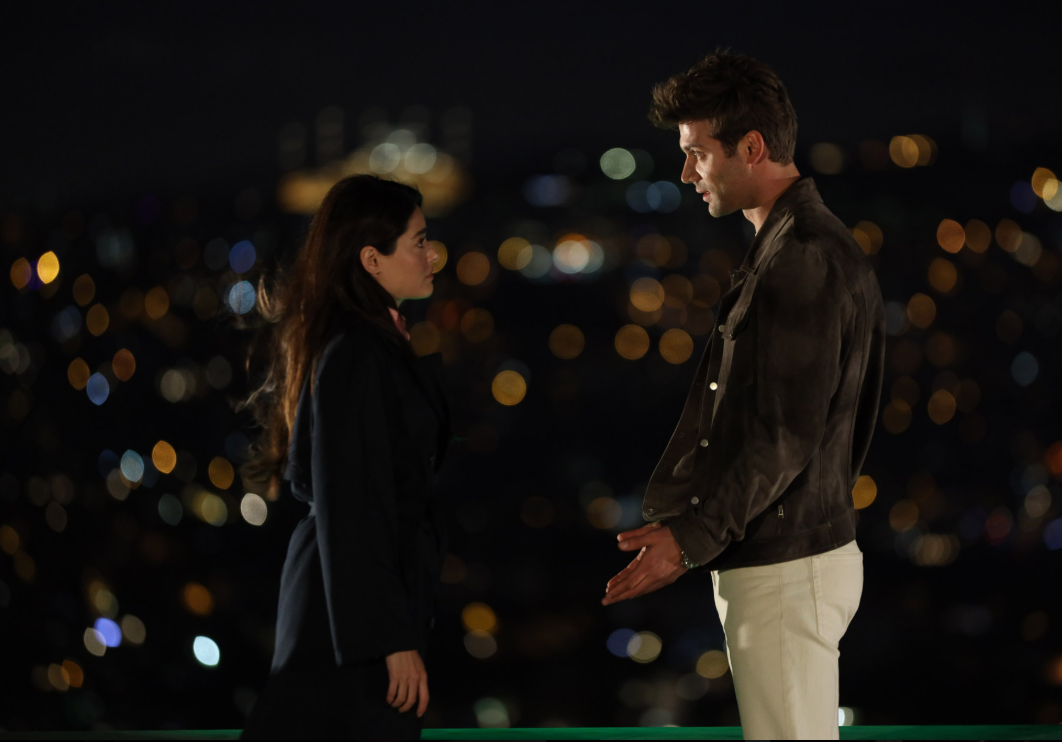
In one of the episode’s most emotionally charged sequences, Emirhan takes Defne and Leyla to the Kız Kulesi (Maiden’s Tower) — the very place where he once proposed to Azra years ago.
The location, iconic and deeply symbolic, becomes a mirror of fate. For Defne, the visit triggers flashes of forgotten memories: laughter, heartbreak, and a love that once burned bright.
When Emirhan utters the fateful words, “Until death do us part,” the emotional and psychological floodgates burst open. The moment marks Defne’s full awakening — the realization that she is, in fact, Azra Karaaslan, the woman she has been searching for all along.
This revelation reframes everything that came before — her fears, her dreams, her reflections — and sets the stage for a showdown between her reclaimed self and the people who once destroyed her life.
Themes and Analysis: Identity, Power, and Redemption
Episode 3 reinforces Aynadaki Yabancı’s position as more than just a melodrama — it’s a sophisticated psychological study of transformation.
1. The Duality of Self
Defne/Azra’s journey embodies the human struggle between reinvention and remembrance. Her surgical transformation, facilitated by Barış, symbolizes both rebirth and denial — the chance to start over, but also the pain of losing oneself.
2. The Ethics of Protection
Barış’s dilemma — whether to reveal or conceal the truth — echoes real-world questions about morality and love. His silence isn’t cowardice; it’s a tragic form of devotion.
3. The Mask of Power
Emirhan represents patriarchal dominance wrapped in charisma. His shifting behavior — from affection to aggression — captures the toxicity of control disguised as love.
4. The Shadow of Memory
Every frame in Episode 3 feels haunted by echoes of the past. Cinematographer choices — muted tones, mirrored reflections, close-up shots — visually mirror Azra’s fractured identity.
Performances: Acting that Cuts Beneath the Surface
The performances elevate Episode 3 to cinematic excellence.
- Simay Barlas (Defne/Azra) delivers a stunning portrayal of a woman torn between two selves. Her nuanced expressions — confusion, courage, realization — create an emotional anchor for the audience.
- Onur Tuna (Barış Saygıner) captures the moral torment of a man who must choose between honesty and protection. His performance radiates both tenderness and guilt.
- Caner Topçu (Emirhan) embodies menace with elegance. His calculated unpredictability gives the series its dangerous pulse.
Supporting performances by Asuman Dabak, Kerem Arslanoğlu, Nazlı Senem Ünal, and Ayten Soykök provide emotional texture and depth to the story’s layered world.
Cinematography and Direction: Mirrors, Shadows, and Symbolism
Director Eda Teksöz continues to demonstrate a mastery of visual storytelling. Mirrors and reflections — recurring motifs throughout the series — dominate the frame, turning every glance into a question of truth and illusion.
The lighting choices enhance the psychological tone: cool blues during moments of denial, warm hues during fleeting connections, and harsh contrasts in scenes of revelation.
Each shot feels deliberate — not just to serve the story but to mirror the emotional states of its characters.
Screenwriting and Structure: Pacing the Truth
The screenplay, crafted by Pelin Gülcan, Lara Bulut Tecim, Batuhan Özbay, and Berşan Tan, skillfully balances suspense and sentiment. Episode 3’s pacing is particularly effective slow enough to build tension, yet sharp in its turning points.
Dialogue is used sparingly, allowing silences and facial expressions to carry emotional weight. Lines like “Death separated us once — will it again?” linger long after the credits roll.
The Series’ Global Appeal: Why the World Is Watching
Turkish dramas have steadily gained international recognition, and Aynadaki Yabancı exemplifies why. With its high production quality, psychological complexity, and universal themes of love, loss, and identity, it resonates beyond borders.
The show taps into global streaming audiences seeking emotional depth paired with mystery. Its narrative DNA — part noir, part romantic tragedy — aligns it with hit international series like You or Behind Her Eyes, yet retains a uniquely Turkish soul.
Episode Verdict: A Mirror That Reveals Too Much
Episode 3 of Aynadaki Yabancı is a triumph in storytelling and visual design. It dismantles illusions while deepening emotional stakes. By the end, every character stands at a crossroads — love versus guilt, truth versus protection, self versus shadow.
As Azra’s true self emerges, the series shifts from suspense to survival. The question now is not whether the past will return — but who will survive it when it does.
Final Thought: Reflections Beyond the Glass
With Episode 3, Aynadaki Yabancı proves it’s not just another romantic thriller — it’s a meditation on memory, identity, and the haunting persistence of love. The episode leaves viewers questioning not just what’s real for Azra, but what’s real within themselves.
The mirror has cracked, and through that fracture, we finally see the truth.
About Author
Rashida Yasmeen
An international media analyst specializing in Turkish and global television trends. With expertise in drama storytelling, audience engagement, and cross-cultural media, she provides in-depth analysis and fresh perspectives on the evolving entertainment landscape for readers worldwide.